How Booking Connecting Flights Separately Instead of Itineraries Cuts Airfare on Domestic Routes
Jennifer Walsh
06/27/2026
6 min read
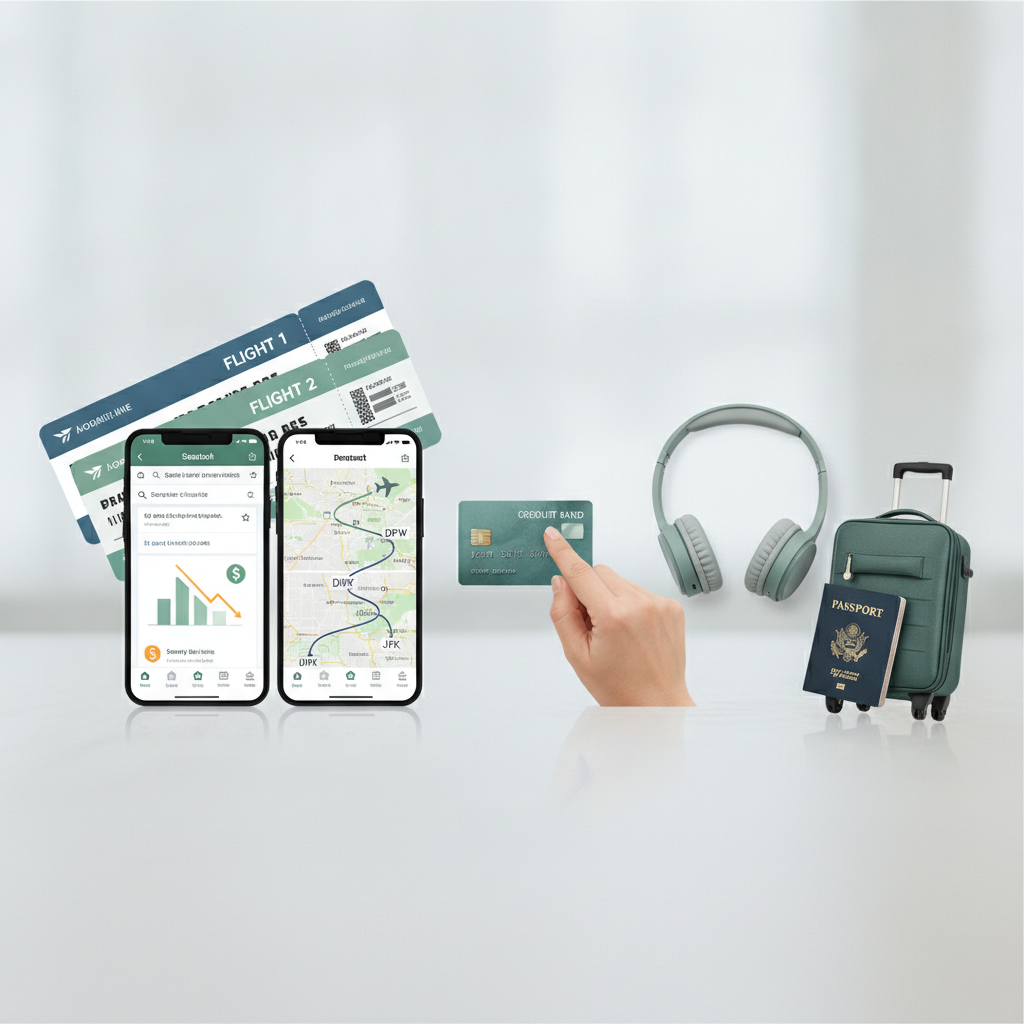
Buying flights as separate one-way tickets instead of a packaged round-trip itinerary is one of the most underused tricks in budget travel — and it can shave a serious chunk off what you'd normally pay on domestic routes. Airlines price bundled itineraries based on route demand, not necessarily on the actual cost of each individual leg. When you start treating each segment as its own purchase, you unlock pricing that most travelers never see.
If you've been watching fares climb on domestic routes and feeling like there's no way around it, this approach is worth understanding in full. It takes a little more effort upfront, but the math tends to reward you for it.
Search Each Flight Leg on Its Own First
Before you book anything, look up each segment of your trip independently. Instead of searching Chicago to Los Angeles round-trip on United, search Chicago to Phoenix on Southwest, then Phoenix to Los Angeles on a separate carrier. Tools like Google Flights make this easy — you can open multiple tabs and compare segment prices without committing to anything. The goal is to find the cheapest version of each leg rather than accepting whatever bundle the airline packages together. This single step changes how you see the entire booking process.
Use Multiple Search Engines to Find Pricing Gaps
Different booking tools surface different fares, and that gap is where your savings live. Google Flights is excellent for scanning route combinations quickly, but Kayak often picks up regional carrier pricing that Google misses. Skiplagged is worth checking too — it surfaces hidden-city fares that can make certain legs dramatically cheaper. Run your segment searches across at least two or three platforms before committing. Budget carriers like Frontier and Spirit frequently don't appear on aggregator sites at all, so check their direct websites separately. Spending an extra 20 minutes on this step regularly pays off in ways that surprise even seasoned travelers.
Book Directly With the Airline Whenever Possible
Once you've identified the best price for each leg, go directly to the airline's website to book. Third-party platforms sometimes add booking fees that quietly inflate the total, and direct bookings are easier to manage if anything changes. If your outbound leg gets delayed and you booked through two different aggregators, you're on your own — there's no single point of contact to help rebook. Booking direct means each airline owns your reservation cleanly, which matters more than people realize when things go sideways at the gate.
Build in a Realistic Layover Buffer Between Segments
This is where separate bookings require more thought than packaged itineraries. When an airline sells you a connecting itinerary, they accept responsibility for getting you on the next flight if your first leg runs late. When you book separately, that protection disappears entirely. Give yourself at least two to three hours between landing and your next departure, especially at busy hubs like Dallas/Fort Worth or Atlanta. Tight connections work fine on packaged tickets where the airline is on the hook — they're a gamble on self-booked segments.
Target Midweek Departure Days for Each Leg
Flight pricing fluctuates significantly by day of week, and when you're booking segments independently, you have full control over optimizing each one. Tuesday and Wednesday departures tend to run cheaper on most domestic routes than Friday or Sunday, when demand spikes. If your trip allows flexibility, consider flying out on a Wednesday and returning on a Tuesday rather than the standard Friday-to-Sunday pattern. Apply this logic to each leg separately — your outbound might be cheapest on Thursday while your return benefits most from a Monday departure. The savings stack up when you treat each segment on its own terms.
Check Regional Carriers for Short Connector Legs
Major airlines price short regional hops based on convenience rather than distance, which is why a 45-minute flight sometimes costs as much as a three-hour one. Regional carriers often cover these short hops at a fraction of the price. Allegiant Air and Sun Country specialize in routes that the big carriers treat as afterthoughts, and their pricing reflects that. If your itinerary involves a 200-mile connector between a mid-size city and a hub, it's worth checking whether a regional carrier flies that route directly. Sometimes the regional option is faster and cheaper than the hub connection the major airline packages into their itinerary.
Track Prices Over a Short Window Before Committing
Domestic airfare pricing moves constantly, and when you're booking segments separately, you have the flexibility to move on each one at different times. If you find an excellent price on your outbound leg, lock it in. Then monitor the return leg over the following week or two before booking. Google Flights price tracking alerts are genuinely useful here — set a tracker on each segment and wait to see if a dip happens. This approach only works on separate bookings because packaged itineraries don't let you cherry-pick timing on individual legs.
Factor in Baggage Fees When Comparing Total Costs
Separate bookings mean each airline applies its own baggage policy independently. If your outbound is on Southwest, your bags fly free. But if your connecting leg is on Spirit, you're paying checked bag fees that can add up quickly and eat into whatever you saved on the fare. Run a true cost comparison that includes baggage before declaring a winner. Sometimes the bundled itinerary on a single carrier that allows one free checked bag ends up cheaper in total than two cheaper fares with fees stacked on top. The fare price is your starting point, not your final answer.
Know When the Strategy Works Best and When It Doesn't
Self-booked connecting flights make the most sense for leisure travel with flexible timing, routes where budget carriers cover one or more legs, and trips where checked luggage isn't involved. They work less well for business travel where reliability matters more than price, for travelers with tight schedules who can't absorb a missed connection, or for routes where one carrier genuinely dominates pricing across all legs. Before committing to the strategy, run an honest comparison — sometimes the convenience of a single itinerary is worth the modest price difference, and knowing when to skip the extra work is part of using this approach wisely.
As airline pricing algorithms grow more sophisticated, carriers are getting better at identifying and closing gaps that separate bookers exploit. Dynamic pricing tools now adjust fares in real time based on demand signals that include browsing behavior and booking patterns. That said, the fundamental structural opportunity — that segment pricing on individual legs differs from bundled itinerary pricing — isn't disappearing anytime soon. Keeping a flexible mindset, using the right tools, and understanding where your specific route creates savings is a skill that keeps paying off every time you book.