How Daily Fermented Foods Reshape Gut Microbiome Diversity and Reduce Systemic Inflammation Within Three Weeks
Amanda Foster
06/28/2026
5 min read
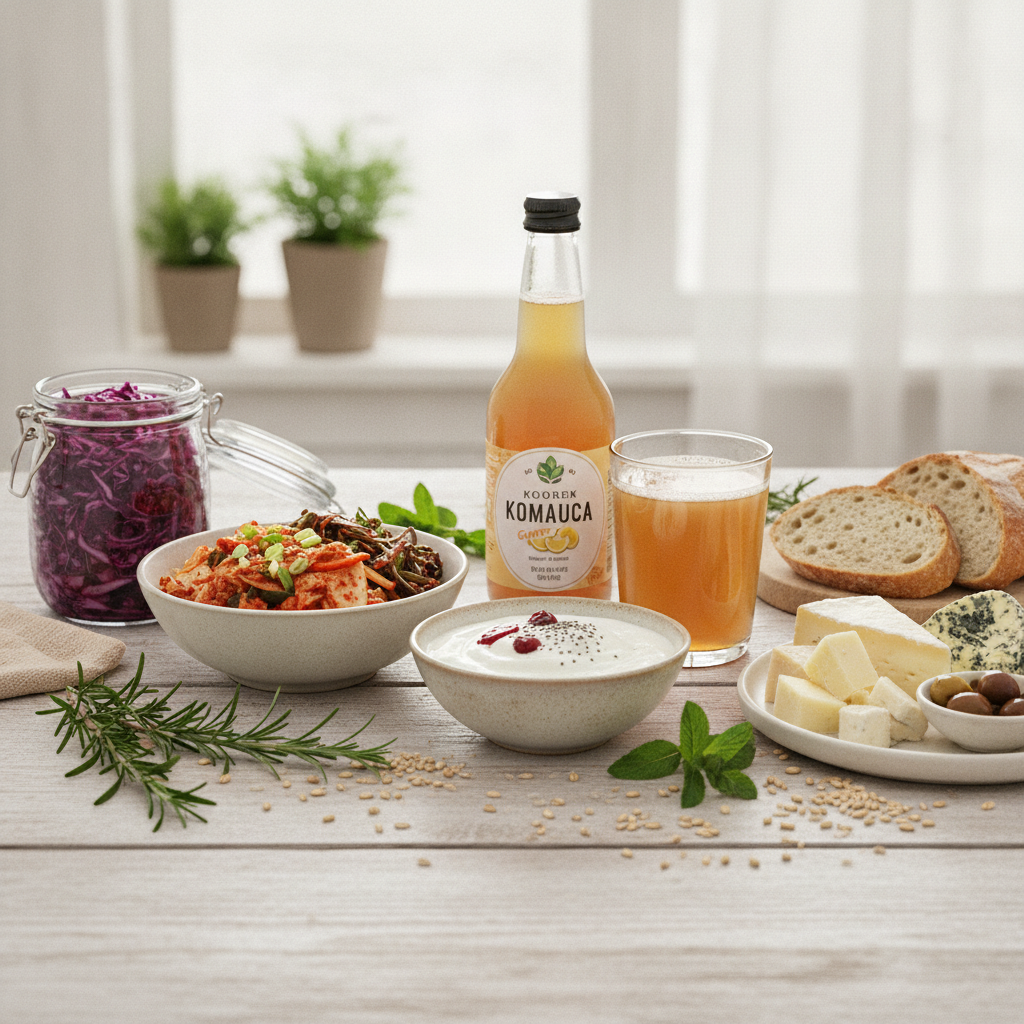
The human gut contains trillions of microorganisms that collectively influence nearly every system in the body, from immune response and mood regulation to metabolic efficiency and chronic disease risk. What people eat every day shapes this microbial community in profound and lasting ways, and few dietary choices carry more documented impact than the regular consumption of fermented foods. Researchers and clinicians alike have grown increasingly focused on fermentation not as a food trend but as a foundational practice with measurable biological consequences — consequences that can emerge within a remarkably short window of consistent habit.
The Science of Gut Microbiome Diversity
Microbiome diversity refers to the number and variety of distinct microbial species living within the gastrointestinal tract, and a broader diversity is consistently associated with stronger resilience against pathogens, more stable immune regulation, and better metabolic outcomes. When diversity is low — often the result of processed food consumption, antibiotic use, or chronic stress — the gut becomes more vulnerable to opportunistic imbalances. Fermented foods introduce live microbial cultures that can temporarily colonize the gut environment, shift the relative abundance of beneficial species, and produce metabolites that support the health of the intestinal lining itself.
What Happens Inside the Gut During Fermentation Intake
When fermented foods enter the digestive system, they carry both live organisms and the byproducts of the fermentation process — organic acids, enzymes, and short-chain fatty acids that serve as fuel for beneficial bacteria already present in the colon. Lactobacillus and Bifidobacterium strains, found abundantly in products like Activia yogurt, Lifeway Kefir, and traditionally prepared kimchi, help crowd out less beneficial species through competitive colonization. The short-chain fatty acids produced during this process, particularly butyrate, directly nourish colonocytes — the cells lining the colon — and signal the immune system to dial back inflammatory responses. This chain of events, repeated daily, creates a cumulative and measurable shift in microbial community composition.
How Systemic Inflammation Responds to Microbiome Shifts
Systemic inflammation — the kind that operates quietly throughout the body rather than in response to a specific injury — is now understood as a contributing factor in a wide range of chronic conditions, including cardiovascular disease, type 2 diabetes, and certain mood disorders. The gut microbiome plays a central role in regulating this inflammation through its interaction with the gut-associated lymphoid tissue, which represents a substantial portion of the body's entire immune infrastructure. When beneficial microbes thrive, they produce compounds that support immune tolerance and reduce the production of pro-inflammatory cytokines. A diet consistently rich in fermented foods appears to lower markers of systemic inflammation — including C-reactive protein — within roughly three weeks of daily intake, according to a growing body of nutritional research.
The Three-Week Timeline and Why It Matters
Three weeks is not an arbitrary benchmark. The gut microbiome is a dynamic ecosystem capable of meaningful compositional change within days, but three weeks represents the point at which newly introduced microbial populations stabilize, short-chain fatty acid production increases measurably, and downstream effects on immune signaling become detectable. Clinical researchers tracking fermented food interventions have noted that participants report improvements in digestive comfort, regularity, and even energy levels within the first week, while inflammatory biomarkers tend to shift more gradually over the following two weeks. This timeline makes the commitment accessible — it's long enough to produce genuine biological change but short enough to function as a manageable personal experiment for most people.
Fermented Foods Worth Adding to a Daily Routine
Not all fermented products deliver equal benefit. Many commercial varieties — particularly flavored yogurts and shelf-stable pickles — are pasteurized after fermentation, which eliminates the live cultures that drive the benefits. For maximum effect, it's worth seeking out products with clearly labeled live and active cultures, or preparing fermented foods at home. Authentic miso paste from brands like Miso Master, raw sauerkraut, traditionally brewed kombucha such as GT's Kombucha, and plain whole-milk kefir represent reliable options widely available in natural food retailers and many conventional grocery chains. Rotating between two or three different fermented sources daily appears to offer broader microbial diversity than relying on a single product.
Building the Habit Without Overhauling Your Diet
You don't need to restructure your entire approach to eating to begin experiencing the benefits of daily fermented food intake. Starting with a single small serving per day — a half-cup of plain kefir in the morning, a spoonful of miso stirred into warm water at lunch, or a portion of kimchi alongside dinner — creates the consistency that drives microbiome change without requiring dramatic dietary overhaul. Tracking how your digestive system responds over the first week can help you adjust serving sizes and timing to minimize any initial bloating or gas, which is a normal response as microbial populations shift. Adding variety gradually, rather than all at once, gives the gut time to adapt and tends to produce a smoother transition for those new to fermented foods.
The broader field of microbiome science is still expanding rapidly, with researchers exploring how fermented food intake interacts with genetic factors, sleep quality, and even mental health outcomes through the gut-brain axis. Probiotic strains are being studied with increasing specificity, and future dietary guidance may eventually move toward personalized fermented food protocols tailored to individual microbiome profiles — a direction that companies like Viome are already pursuing through at-home gut testing. For now, the evidence firmly supports what many traditional food cultures have practiced for centuries: that daily fermented food consumption is among the most accessible and effective tools available for supporting gut health and reducing the low-grade inflammation that quietly undermines long-term wellness.