How Daily Fermented Foods Reshape Gut Microbiome Diversity and Reduce Systemic Inflammation Within Three Weeks
Amanda Foster
06/28/2026
5 min read
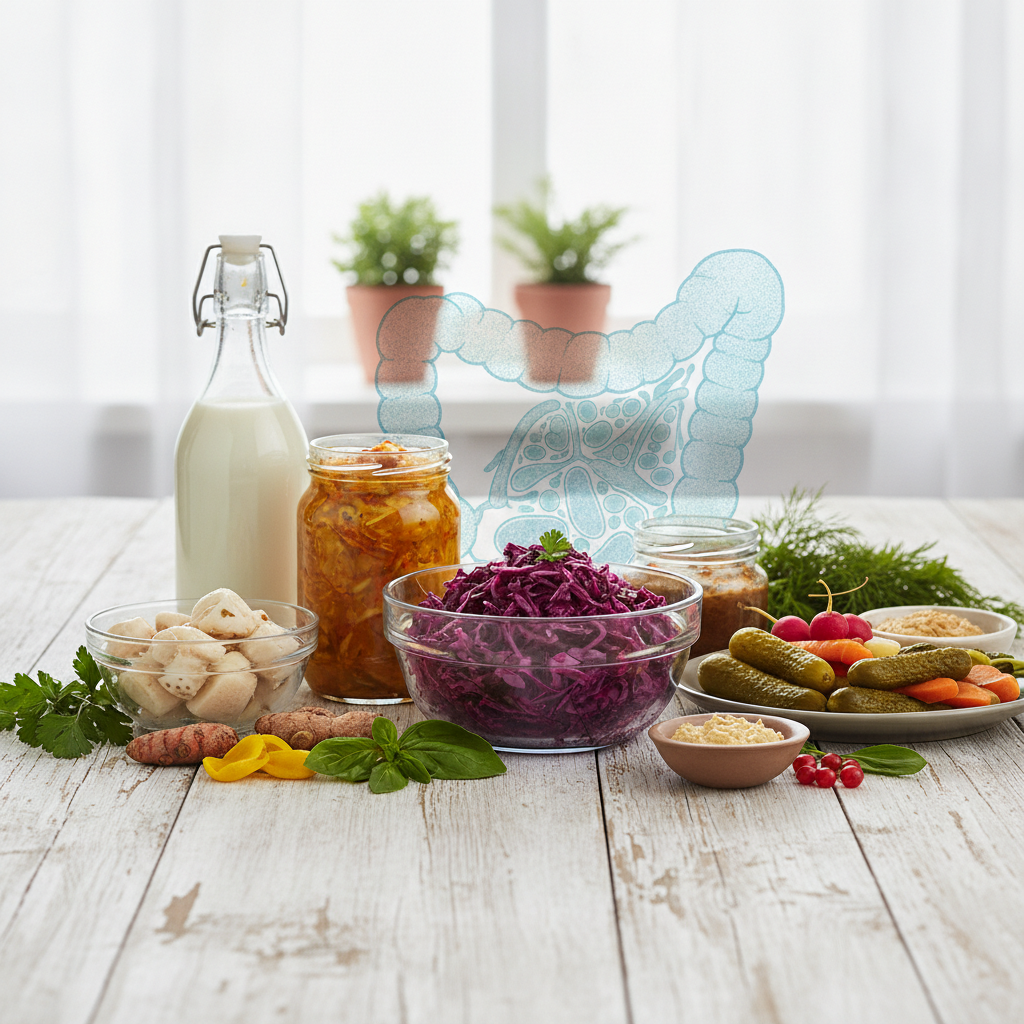
The human gut contains trillions of microorganisms that influence nearly every system in the body, from immune response to mood regulation, and what a person eats each day quietly determines whether that microbial community thrives or struggles. Fermented foods — long a staple of traditional diets across Korea, Eastern Europe, and the Middle East — are now drawing serious attention from the nutrition world for their measurable impact on gut diversity and inflammation levels. What's particularly compelling is how quickly these changes can take hold. Research consistently points to a window of roughly three weeks during which regular fermented food consumption begins to produce noticeable, documented shifts in microbial composition and inflammatory markers throughout the body.
The Science Behind Gut Microbiome Diversity
Microbiome diversity refers to the number and variety of distinct microbial species living in the gastrointestinal tract, and greater diversity is strongly associated with better overall health outcomes. A gut populated by a wide range of bacterial species tends to be more resilient, more adaptable, and more effective at producing the short-chain fatty acids and neurotransmitter precursors that support everything from digestion to mental clarity. When diversity drops — often due to highly processed diets, antibiotic use, or chronic stress — the gut becomes more vulnerable to dysbiosis, the imbalance between beneficial and harmful microbes that underlies many chronic conditions. Fermented foods introduce live cultures that actively compete with less beneficial strains and help restore that ecological balance over time.
What Fermentation Actually Does to Food
Fermentation is a metabolic process in which naturally occurring or added microorganisms — primarily bacteria, yeasts, and molds — break down sugars and starches in food, producing lactic acid, acetic acid, carbon dioxide, and various bioactive compounds as byproducts. This transformation doesn't just preserve food; it fundamentally changes its nutritional profile. Fermented vegetables like kimchi and sauerkraut become rich in B vitamins, digestive enzymes, and organic acids that support gut lining integrity. Dairy-based ferments like yogurt and kefir concentrate beneficial bacteria at levels far higher than their unfermented counterparts. Even drinks like kombucha, widely available from brands such as GT's Living Foods and Health-Ade, deliver a range of live cultures alongside polyphenols that act as prebiotic fuel for existing gut bacteria.
The Three-Week Inflammatory Shift
Systemic inflammation — the low-grade, chronic variety that doesn't announce itself with obvious symptoms but steadily contributes to cardiovascular disease, metabolic dysfunction, and cognitive decline — responds measurably to changes in gut microbial composition. When beneficial bacteria become more abundant, they produce higher concentrations of short-chain fatty acids like butyrate, which directly suppress pro-inflammatory signaling pathways in the gut lining and beyond. Within the first three weeks of consistent fermented food intake, this biochemical shift becomes detectable. The gut lining tightens, reducing the passage of inflammatory compounds into systemic circulation, and immune cells modulate their activity in response to the changing microbial signals. The result isn't dramatic overnight, but it is meaningful and cumulative.
Variety Matters More Than Volume
One of the more nuanced findings in gut health research is that eating large amounts of a single fermented food is far less effective than consuming smaller amounts of several different varieties. A scoop of plain Siggi's yogurt in the morning, a portion of kimchi alongside dinner, and a small glass of kefir or kombucha in the afternoon collectively expose the gut to a wider range of microbial strains than any single food eaten in large quantities. Each fermented food carries its own distinct community of microorganisms shaped by its specific fermentation environment, substrate, and duration. This biodiversity of input translates directly into greater microbiome diversity of output, which is precisely the outcome associated with reduced inflammation and improved resilience.
Common Barriers and How to Move Past Them
For many people, the practical obstacles to daily fermented food consumption are less about motivation and more about unfamiliarity with the foods themselves or concerns about digestive discomfort during the adjustment period. Strong flavors, unfamiliar textures, and the occasional initial bloating can make the first week feel discouraging. Starting with milder options — plain yogurt, mild miso paste stirred into soups, or lightly fermented pickles from brands like Bubbies — tends to ease the transition considerably. Digestive discomfort in the first few days typically reflects the microbiome adjusting to new bacterial input, not a sign that fermented foods are harmful. Gradually increasing variety over the first two weeks allows the gut to adapt without triggering sustained discomfort.
Building a Practical Daily Fermented Food Routine
Shifting this knowledge into daily habit doesn't require a complete dietary overhaul or a steep grocery budget. You can start by identifying two or three fermented foods you already tolerate or enjoy and building them into existing meals before adding anything new. A spoonful of miso thinned into warm water makes a quick morning alternative to coffee. A side of sauerkraut costs less than a dollar per serving and requires no preparation. Yogurt parfaits with fruit and oats can double as breakfast and a vehicle for consistent probiotic intake. If you want structure, apps like Cronometer can help track dietary consistency without obsessing over exact amounts. The goal is regularity — not perfection — because the microbiome responds to patterns, not single meals.
As nutrition science deepens its understanding of the gut-immune axis, fermented foods are likely to move from wellness trend to clinical recommendation. Functional medicine practitioners are already integrating fermented food protocols into inflammation management strategies, and mainstream dietary guidelines are beginning to reflect the evidence. The relationship between the foods on a plate and the inflammatory state of the body is more direct and more responsive than once thought — and for most people, three weeks of simple, consistent dietary shifts is enough to begin experiencing that connection firsthand.