How Furniture Rental Services Hidden Costs Make Buying Quality Used Pieces More Affordable Long-Term
Jennifer Walsh
04/16/2026
4 min read
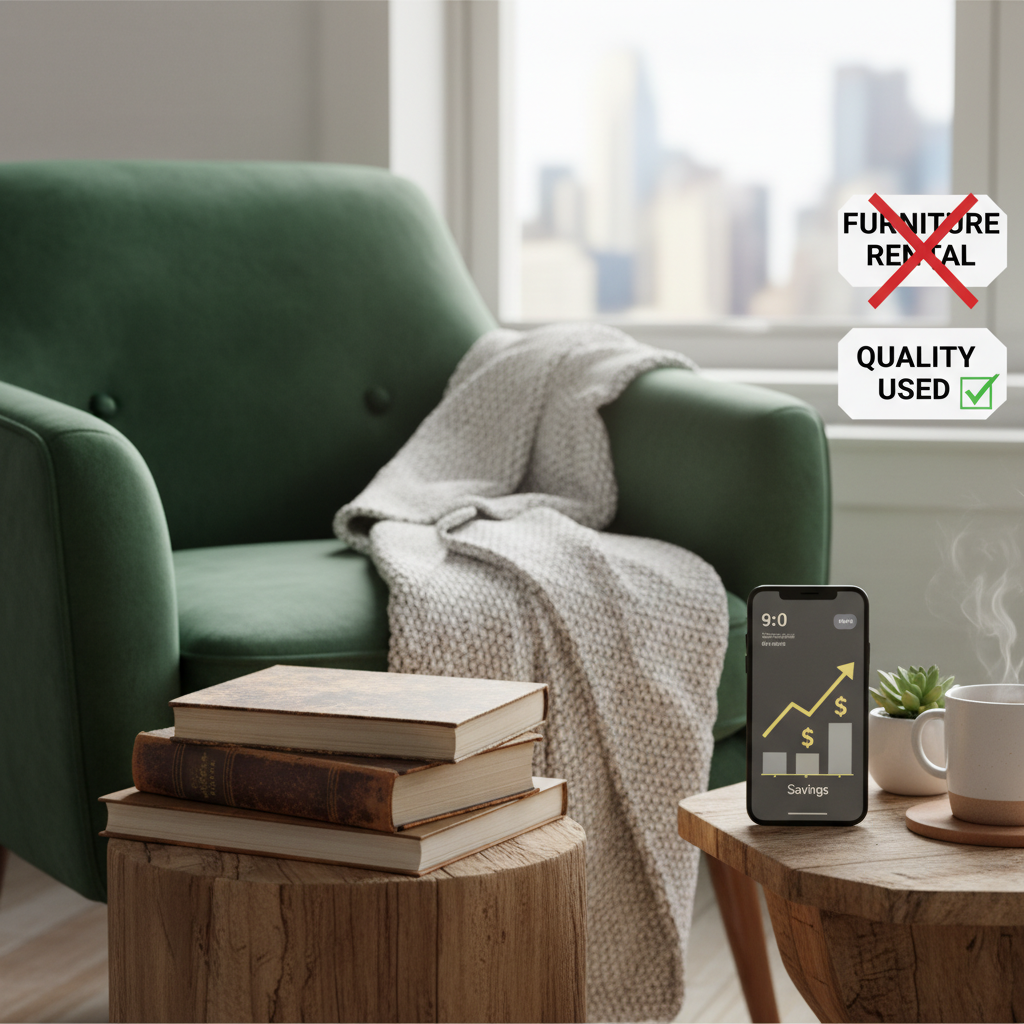
Furniture rental services promise convenience and flexibility, but their marketing glosses over substantial long-term costs that can exceed purchasing quality used pieces by hundreds of dollars annually. While renting furniture appeals to people who move frequently or want to avoid large upfront purchases, the math rarely works in your favor after the first few months.
The rental model thrives on monthly payments that seem affordable until you calculate total costs over time, plus delivery fees, damage protection, and upgrade charges that accumulate quickly.
Calculate Total Rental Costs Beyond Monthly Payments
Furniture rental companies like Feather and Fernish advertise low monthly rates, but the real expense includes delivery fees ranging from $99 to $199, mandatory damage protection adding 10-15% monthly, and return shipping costs. A $79 monthly sofa rental becomes $110 with protection and fees, totaling $1,320 annually. You can find quality used leather sofas on Facebook Marketplace or Craigslist for $400-800 that will last years with proper care. Always multiply the monthly rate by 12 and add all fees before comparing rental costs to purchasing.
Research Furniture Construction Quality Before Buying Used
Used furniture from the 1980s and 1990s often features superior construction compared to modern rental inventory, which prioritizes lightweight shipping and frequent moves over durability. Look for solid wood frames, mortise-and-tenon joints, and eight-way hand-tied springs in sofas and chairs. Brands like Ethan Allen, Henredon, and Baker produced pieces during this era that remain structurally sound decades later. Run your hands along joints and check for wobbling or loose connections. Quality used furniture requires minimal investment beyond purchase price, while rental pieces accumulate costs monthly regardless of condition.
Factor in Rental Restrictions and Damage Policies
Rental agreements include strict guidelines about pet damage, staining, and normal wear that can trigger expensive charges when you return items. Cort Furniture Rental and Brook Furniture Rental charge for everything from minor scratches to fabric discoloration that occurs naturally over time. Pet owners face additional monthly fees or complete rental denials for certain pieces. When you own used furniture, normal wear becomes your responsibility to address affordably through cleaning, minor repairs, or simply accepting character marks that develop over time.
Time Furniture Purchases with Seasonal Moving Patterns
College towns and urban areas with high renter populations create predictable furniture availability cycles that favor buyers who time purchases strategically. Late July through September brings excellent used furniture selection as people relocate, downsize, or upgrade after moves. Facebook Marketplace and estate sales in neighborhoods near universities offer quality pieces at fraction of retail costs. Plan furniture needs around these seasonal patterns rather than paying premium rental rates year-round. Moving trucks and storage units cost less than annual rental fees while providing permanent ownership.
Evaluate Rental Flexibility Against Ownership Benefits
Rental services market flexibility as their primary advantage, but ownership provides different types of flexibility that often prove more valuable long-term. You can modify, reupholster, or sell owned furniture based on changing needs and preferences. Quality used pieces retain resale value, allowing you to recoup partial investment when upgrading or relocating. Rental contracts lock you into monthly payments with specific return conditions that limit your ability to adapt furniture to evolving situations. Consider whether true flexibility means avoiding commitment or having complete control over your possessions.
Compare Financing Options for Quality Used Purchases
Many people choose rentals because they lack funds for furniture purchases, but several financing alternatives cost less than rental agreements while building ownership. Credit cards with 0% introductory APR periods allow you to spread payments over 12-18 months without interest charges. Personal loans through credit unions often carry lower rates than rental agreements' effective annual costs. PayPal Credit and Affirm offer point-of-sale financing for online furniture purchases. Calculate the total interest cost of financing against rental fees to identify genuine savings opportunities.
Build Long-Term Furniture Investment Strategy
Quality used furniture appreciates or holds value better than rental payments that provide zero return on investment. Mid-century modern pieces, solid wood dining sets, and well-maintained leather furniture often increase in value over years of ownership. Create a furniture acquisition plan that prioritizes durable pieces you can afford to purchase rather than renting multiple items simultaneously. Start with essential pieces like a quality mattress and versatile seating, then add complementary furniture as budget allows. This approach builds equity in possessions rather than generating recurring expenses.
Furniture rental services will likely continue expanding their marketing reach as remote work and frequent relocations become more common. However, the fundamental economics favor ownership of quality used pieces for most people who plan to stay in one location longer than six months. The key lies in understanding true rental costs and developing patience to find well-constructed used furniture that serves your needs for years rather than months.