How Furniture Rental Services Hidden Costs Make Buying Quality Used Pieces More Affordable Long-Term
Jennifer Walsh
04/16/2026
4 min read
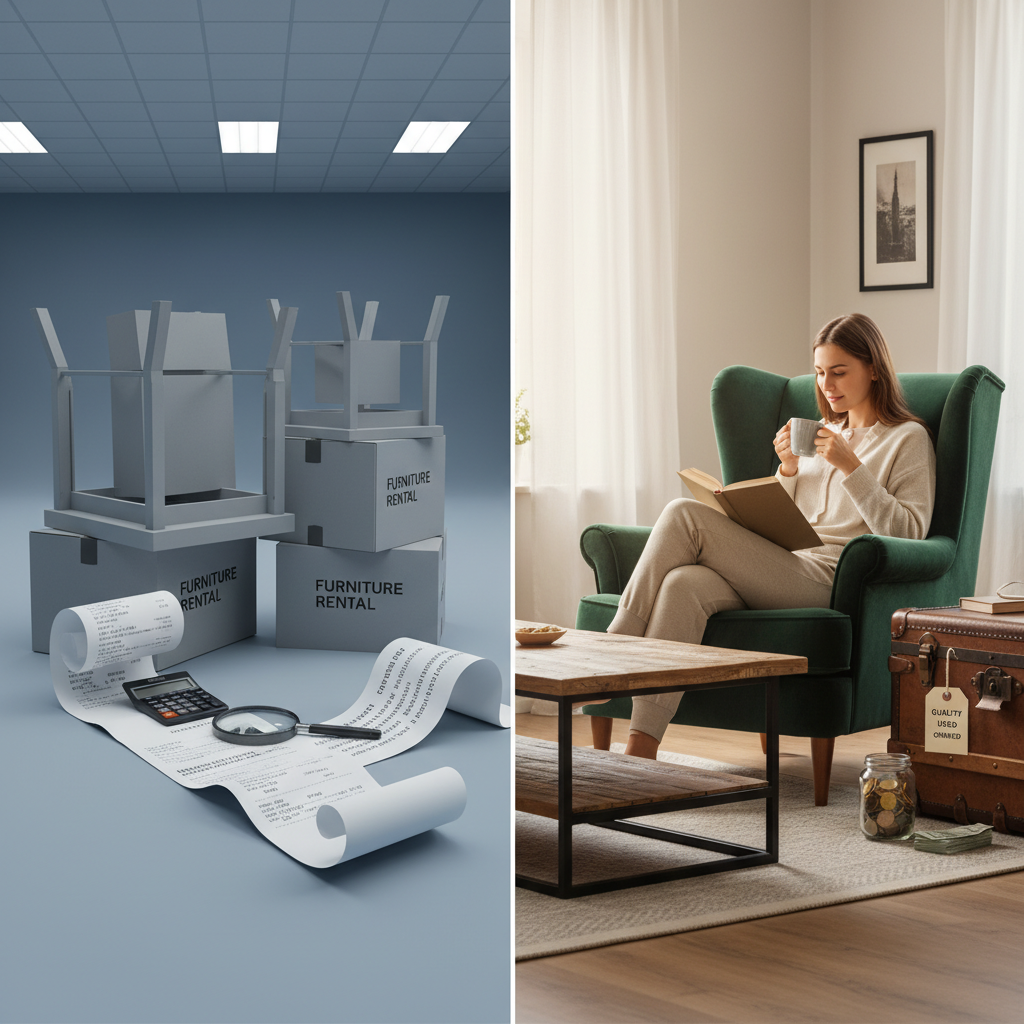
Furniture rental companies promise convenience and flexibility, but their marketing glosses over the true financial cost of renting versus owning. Monthly payments seem reasonable until you calculate the total spent over time, often exceeding the retail price of similar items by two to three times.
The appeal of services like Feather, CORT, and Fernish makes sense at first glance. You get stylish furniture delivered and assembled without the upfront investment. However, rental agreements contain numerous fees that transform seemingly affordable monthly payments into expensive long-term commitments that favor buying quality used pieces instead.
Calculate the Real Cost Beyond Monthly Payments
Rental companies highlight low monthly rates while burying additional charges in the fine print. Delivery fees, assembly charges, damage waivers, and processing fees add substantial costs to your initial quote. Many services also require minimum rental periods of six months to two years, making early termination expensive. When you factor in these hidden expenses, a dining set advertised at $89 monthly often costs closer to $150 per month, totaling thousands over a typical rental period.
Compare Rental Totals Against Used Furniture Values
Quality used furniture from estate sales, Facebook Marketplace, or consignment shops offers immediate ownership at a fraction of rental costs. A solid wood dining table that rents for $100 monthly typically sells used for $300 to $600 depending on condition and brand. After six months of rental payments plus fees, you've spent more than the purchase price of a comparable used piece without gaining any equity. The math becomes even more compelling for longer rental periods.
Factor in Damage Fees and Wear Restrictions
Rental agreements include strict guidelines about normal wear and usage, with hefty penalties for violations. Pet scratches, water rings, or fabric stains can trigger damage charges ranging from $50 to several hundred dollars per incident. These fees apply even when returning furniture at the end of your rental term. Owned furniture eliminates these concerns entirely, allowing you to use items without fear of additional charges.
Recognize Quality Differences in Rental Inventory
Most rental furniture prioritizes style over durability, using particleboard construction and synthetic materials that look good initially but deteriorate quickly. Quality used furniture often features solid wood construction, genuine leather, or high-grade fabrics that outlast rental pieces by decades. Brands like Ethan Allen, Pottery Barn, or West Elm maintain value and durability that rental furniture cannot match, making used versions superior investments.
Understand How Rental Cycles Limit Your Flexibility
Despite marketing claims about flexibility, rental agreements lock you into specific terms and limit your options. Swapping items requires additional fees and availability restrictions. Moving triggers extra charges for pickup and delivery. Early termination penalties can cost hundreds of dollars. Owning furniture provides true flexibility to move, sell, or modify pieces according to your changing needs without permission or additional costs.
Evaluate Tax and Credit Implications
Rental payments offer no tax benefits and don't build credit history in most cases. Some rental companies do report payment history, but this rarely impacts credit scores significantly. Purchasing furniture with a store credit card or financing option can help establish credit while building ownership equity. Additionally, home office furniture purchases may qualify for tax deductions if you work from home.
Consider Long-Term Value and Resale Potential
Quality used furniture retains value and can be resold when your needs change. Well-maintained pieces from reputable brands often sell for 40 to 60 percent of their used purchase price, effectively reducing your net cost. Rental furniture provides zero return on investment, making every payment a sunk cost. Over time, buying and occasionally selling used pieces costs significantly less than continuous rental payments.
Build Your Strategy for Smart Furniture Acquisition
Start by identifying which pieces you need immediately versus those you can acquire gradually. Purchase essential items like beds and seating first, then add accent pieces over time as you find quality options. Estate sales and consignment shops require patience but offer the best values on high-quality pieces. Online marketplaces provide broader selection but require careful inspection and pickup coordination.
The furniture rental industry continues expanding as more people delay major purchases and prioritize flexibility. However, the financial mathematics remain unchanged—rental fees compound over time while ownership builds equity. As inflation affects both rental rates and furniture prices, the gap between rental costs and used furniture values will likely widen, making ownership even more attractive for budget-conscious consumers.