How Water Temperature During Showers Affects Circulation, Skin Health, and Mental Alertness
Chris Martinez
04/02/2026
4 min read
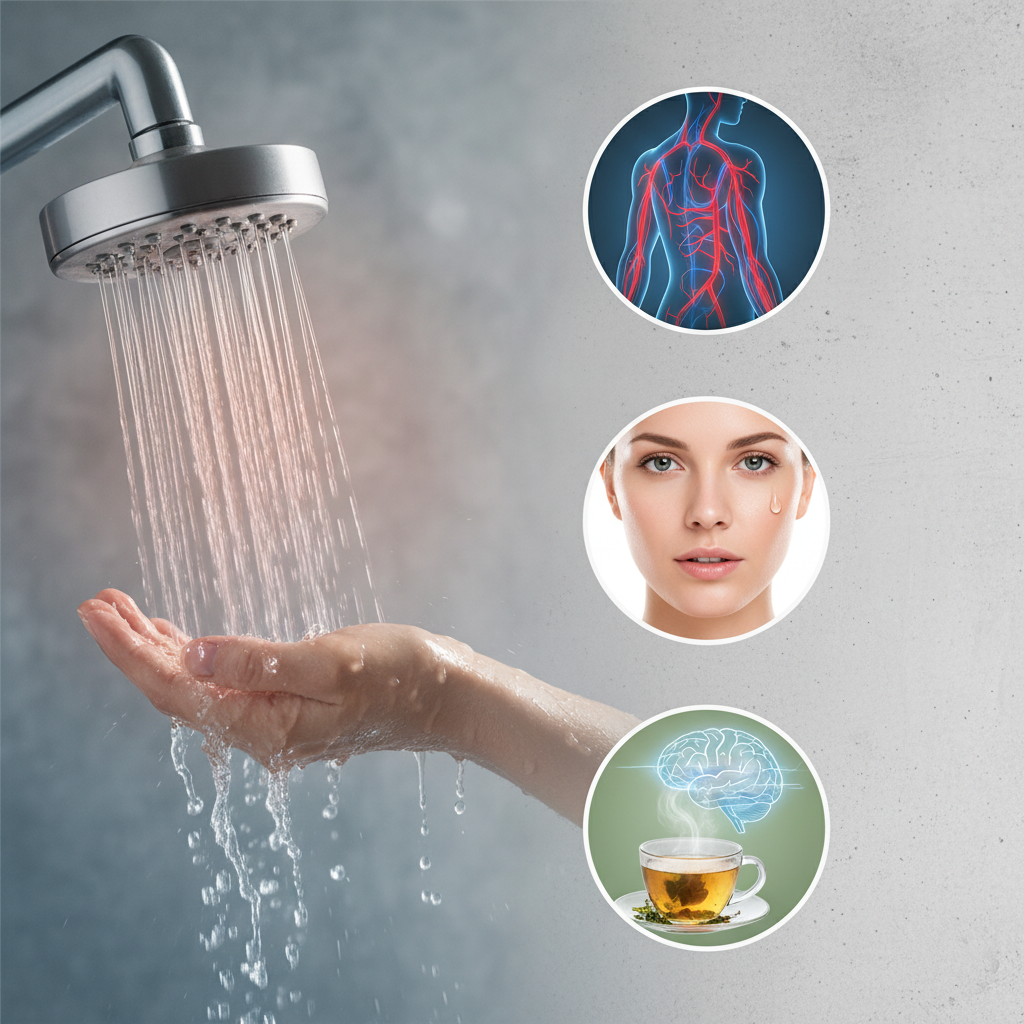
Water temperature during daily showers influences multiple physiological systems simultaneously, from blood vessel dilation and skin barrier function to neurotransmitter production and cognitive performance. Most people stick to the same comfortable temperature without considering how strategic adjustments could enhance their physical health and mental clarity throughout the day.
Your shower routine represents an untapped opportunity to optimize circulation, protect skin integrity, and sharpen mental focus through deliberate temperature choices. Different water temperatures trigger distinct biological responses that can either support or hinder your daily wellness goals.
Start Hot to Open Circulation Pathways
Hot water between 98-104°F dilates blood vessels throughout your body, increasing circulation to skin and muscle tissue. This vasodilation delivers more oxygen and nutrients to peripheral areas while helping flush metabolic waste products from tissues. The improved blood flow can reduce muscle tension accumulated during sleep and prepare your cardiovascular system for daily activities. However, limit hot water exposure to 5-10 minutes to prevent skin dehydration and blood pressure fluctuations that might cause dizziness.
Switch to Lukewarm for Daily Skin Maintenance
Lukewarm water around 85-95°F provides the ideal balance for cleansing without stripping your skin's protective lipid barrier. This temperature range effectively removes dirt, sweat, and excess oils while preserving the natural moisture that keeps skin healthy and resilient. Brands like CeraVe and Neutrogena specifically recommend lukewarm water when using their cleansers to maximize product effectiveness. Your skin maintains better hydration levels throughout the day when you avoid temperature extremes that can cause irritation or excessive dryness.
End With Cold to Boost Mental Alertness
Cold water below 70°F triggers immediate physiological responses that enhance mental alertness and focus. The temperature shock activates your sympathetic nervous system, increasing heart rate, breathing depth, and norepinephrine production. This natural stimulation improves cognitive performance more effectively than caffeine for many people. Start with 30-60 seconds of cold water at the end of your shower, gradually increasing duration as your tolerance builds. The mental clarity boost typically lasts 2-4 hours after cold exposure.
Use Temperature Cycling for Enhanced Recovery
Alternating between hot and cold water during a single shower session mimics the benefits of contrast hydrotherapy used in athletic recovery. Begin with 2-3 minutes of hot water, switch to 30 seconds of cold, then repeat the cycle 2-3 times. This temperature variation causes blood vessels to repeatedly constrict and dilate, creating a pumping action that reduces inflammation and accelerates healing in muscles and joints. Athletes at facilities like Equinox and Life Time fitness centers regularly use similar contrast protocols.
Time Temperature Changes With Your Schedule
Your shower temperature strategy should align with your daily activities and energy needs. Morning showers benefit from ending with cold water to increase alertness for work or exercise. Evening showers work best when kept consistently warm to promote relaxation and prepare your body for sleep. If you shower mid-day after workouts, start hot to enhance circulation and recovery, then finish lukewarm to maintain skin health without over-stimulation that might interfere with afternoon productivity.
Adjust for Skin Conditions and Sensitivities
Certain skin conditions require modified temperature approaches for optimal health outcomes. Eczema and dermatitis respond better to consistently cool or lukewarm water, as heat can trigger inflammatory responses and worsen symptoms. Dry skin benefits from shorter, cooler showers followed immediately by moisturizer application to trap remaining moisture. Oily or acne-prone skin can handle slightly warmer temperatures that help dissolve excess sebum, but avoid extreme heat that stimulates more oil production. Consult dermatologists at practices like Dermatology Partners for personalized temperature recommendations.
Monitor Your Body's Response Patterns
Pay attention to how different temperatures affect your energy levels, skin condition, and overall comfort throughout the day. Some people experience improved sleep quality when they take warm evening showers, while others find cold morning showers reduce anxiety and increase motivation. Your optimal temperature strategy might change seasonally, with cooler showers preferred in summer heat and warmer temperatures more comfortable during winter months. Track your responses for 2-3 weeks to identify patterns that support your wellness goals.
Combine Temperature Strategy With Quality Products
Effective temperature therapy works best when paired with appropriate skincare products designed for your chosen water temperature. Cool water showers benefit from gentle, moisturizing cleansers that won't further dry your skin. Hot water sessions require pH-balanced products that can maintain skin barrier function despite increased heat exposure. Brands like Aveeno and Dove offer temperature-specific formulations that maximize the benefits of your chosen shower strategy.
Shower temperature optimization represents a simple but powerful daily wellness tool that costs nothing to implement while delivering measurable improvements in circulation, skin health, and cognitive function. As research continues to reveal connections between temperature exposure and long-term health outcomes, strategic shower habits may become as important as diet and exercise in comprehensive wellness approaches.