How Open-Box Appliance Programs at Major Retailers Deliver Near-New Quality at Refurbished Prices With Full Warranties
Robert Kim
07/01/2026
5 min read
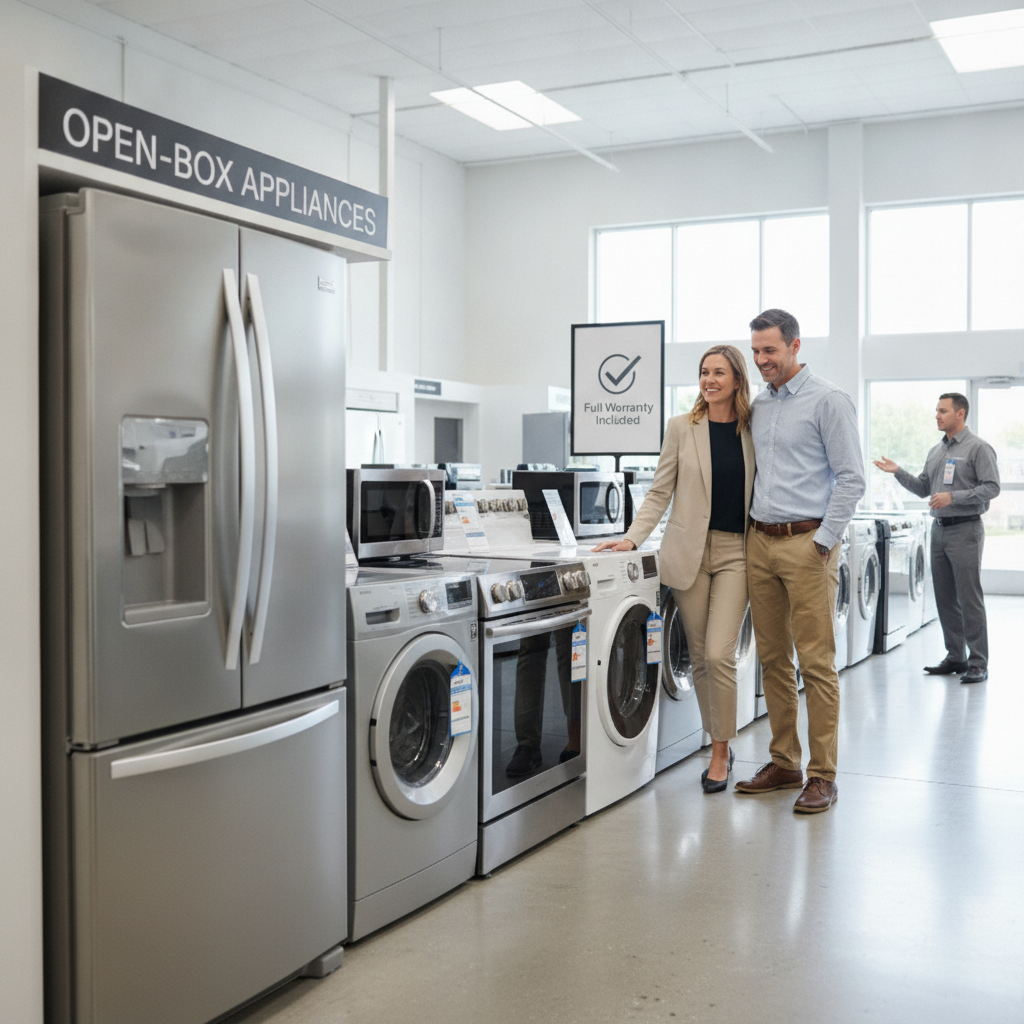
Major retailers have quietly built some of the most shopper-friendly appliance programs available, and most buyers walk right past them. Open-box appliances — units returned by customers, used as floor displays, or pulled from damaged packaging — sit in a category that blends the savings of refurbished goods with the assurance of retail warranties. For anyone replacing a refrigerator, washer, or dishwasher, these programs deserve serious consideration before a full-price purchase ever enters the picture.
What Open-Box Actually Means at Retail Level
The term "open-box" covers a wider range of conditions than most shoppers realize. At stores like Best Buy, Home Depot, and Lowe's, open-box items are typically sorted by condition grades — ranging from units with intact packaging that were simply opened and returned, to floor models with minor cosmetic wear. The appliance itself usually hasn't been used in any meaningful way. A refrigerator returned because a buyer changed their mind about color is functionally identical to one sitting in a sealed box. Understanding this distinction is the first step toward shopping these sections with confidence.
How Warranty Coverage Differs From True Refurbished
One of the biggest misconceptions about open-box appliances is that they carry reduced or voided warranty protection. In most cases, the manufacturer's warranty resets or remains intact from the date of your purchase, not the original sale date. Best Buy's open-box program, for example, typically includes the same manufacturer warranty that ships with a new unit. Some retailers also offer their own extended protection plans on open-box items. This separates open-box goods meaningfully from third-party refurbished units, which often carry shorter limited warranties or none at all.
Discount Depth Varies by Condition Grade
The savings on open-box appliances aren't uniform, and that's actually useful information. Lightly used or return-only items might carry a modest discount — perhaps ten to fifteen percent off retail. Floor models or units with visible cosmetic issues often drop significantly further. The condition grading systems used by retailers like Samsung's certified open-box program or Best Buy's tiered labeling let you match the level of savings to your tolerance for minor imperfections. A small scratch on the side of a dishwasher that faces cabinetry is irrelevant to function, but it could translate to meaningful money saved at checkout.
Where to Find the Best Open-Box Inventory
Open-box appliance sections aren't always prominently displayed, and online inventory tends to move faster than in-store. Best Buy's website lets you filter specifically by open-box condition and location, which means you can check nearby stores before making the trip. Home Depot and Lowe's maintain clearance sections both online and in their appliance departments, often with condition notes attached. Warehouse clubs like Costco also rotate open-box appliances through their floor sections, sometimes without online listings — making occasional in-store visits worthwhile for major purchases.
Timing Your Purchase for Maximum Inventory
Open-box appliance inventory peaks at predictable times. Post-holiday return windows in January generate a wave of returned units as gift purchases come back to stores. Late spring also sees activity as consumers refresh kitchens ahead of summer. Checking inventory frequently during these windows rather than waiting for a single perfect visit increases your chances of finding exactly the model you want. Signing up for in-stock alerts on retailer apps for specific SKUs can also surface open-box availability the moment a unit is processed and listed.
Inspecting Before You Buy
Any open-box appliance worth buying is worth inspecting carefully before the transaction closes. In-store, this means examining the unit physically for damage beyond what the condition label describes, checking that all accessories, manuals, and hardware are present, and confirming the model number matches what you researched. For online open-box purchases, reviewing the retailer's return policy is essential — most major retailers extend the same return window to open-box items as they do to new ones. Knowing you can return the unit if something doesn't match the described condition removes most of the remaining risk.
Stacking Discounts With Store Credit Cards
Open-box pricing is already discounted, but it doesn't have to be the final number. Store credit cards at Best Buy and Lowe's frequently offer zero-percent financing on appliance purchases above certain thresholds, and some cards apply additional cash-back percentages on top of open-box pricing. Combining an already-reduced open-box price with deferred interest or cash-back rewards amplifies the total value considerably. This stacking approach requires attention to promotional terms and payoff timelines, but for a planned, budgeted appliance purchase, it's a straightforward way to extend savings further.
Delivery and Installation Policies Worth Confirming
One practical concern shoppers raise about open-box appliances is whether standard delivery and installation services apply. At most major retailers, the answer is yes — delivery, haul-away of old units, and professional installation are available on open-box appliances at the same rates as new purchases. Confirming this before finalizing the sale prevents surprises. Some retailers also offer free delivery on open-box appliances above a minimum purchase price, which closes a gap that might otherwise offset some of the savings. Getting this in writing at the point of sale ensures clarity on both sides.
Open-box appliance programs at major retailers represent one of the more overlooked intersections of genuine quality and real savings. The combination of near-new condition, intact manufacturer warranties, and meaningful price reductions makes these programs worth prioritizing over default full-price purchases. With a basic understanding of condition grading, inventory timing, and available protection options, most shoppers can walk away with a reliable appliance at a fraction of what it would have cost sitting in an unopened box.