How Open-Box Electronics at Retailer Outlet Sections Deliver Near-New Quality at Steep Discounts
Robert Kim
07/01/2026
4 min read
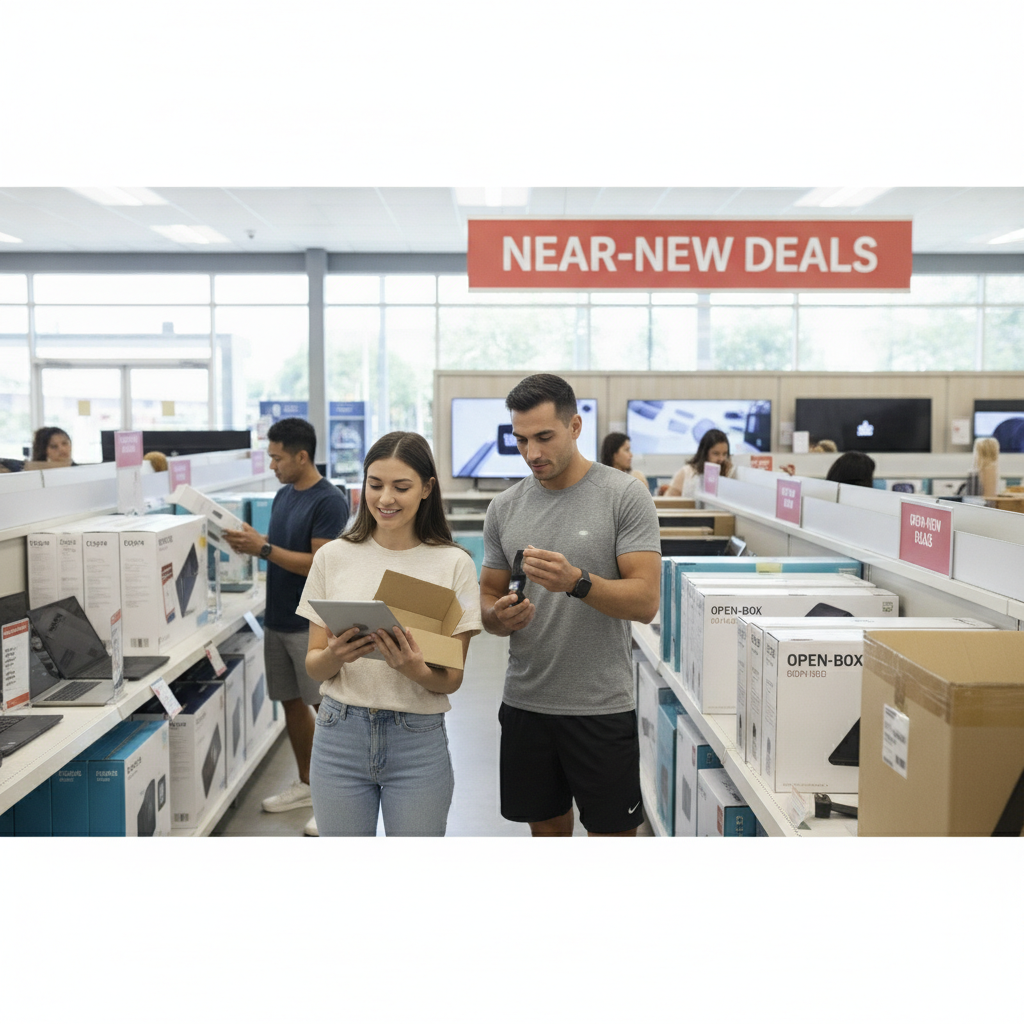
Open-box electronics represent one of retail's most overlooked savings opportunities, hiding in plain sight at Best Buy, Costco, and Amazon Warehouse sections across the country. These are products that were returned by customers — sometimes used briefly, sometimes never opened at all — and resold at meaningful discounts rather than restocked at full price. The quality range is wide, but with a little know-how, you can consistently land near-new gear for significantly less than what the shelf tag would normally ask.
Understanding What Open-Box Actually Means
The term "open-box" covers a broader range of conditions than most shoppers realize. Some items were returned because a customer changed their mind hours after purchase. Others were floor models kept in pristine condition, or items with damaged packaging but untouched hardware inside. Retailers like Best Buy use specific condition grades — Excellent, Satisfactory, Fair — to communicate what you're getting before you commit. Understanding these grades is the first step to shopping smart rather than gambling on a mystery product.
Reading Condition Grades Before You Buy
Every major retailer that sells open-box inventory uses some kind of grading system, and learning to read those grades is essential. A grade like "Open-Box Excellent" at Best Buy typically means the item was tested, inspected, and comes with all original accessories. Lower grades like "Fair" or "Acceptable" on Amazon Warehouse often signal cosmetic wear, missing cables, or minor functional issues. Always read the condition notes carefully — the description field is where retailers disclose the specific details that separate a great deal from a frustrating purchase.
Inspecting Before You Leave the Store
When you're buying open-box in person, take full advantage of the fact that you can examine the product before walking out. Power it on, check every port, inspect the screen for scratches or dead pixels, and verify that all listed accessories are actually in the box. Retailers like Costco and Best Buy staff are generally accommodating about letting you do this. If you're shopping online through Amazon Warehouse, skip this step — but make sure you understand the return window in advance so you have a safety net if something doesn't check out at home.
Timing Your Purchase Around Return Cycles
Return volumes at major retailers spike predictably after the holidays and following major sales events like Black Friday. That means January and early February are ideal months to browse open-box sections, because inventory is freshest and most diverse. You'll find a wider selection of high-demand electronics — headphones, tablets, laptops, smart home devices — that were gifted, unboxed once, and returned before the recipient decided they wanted something else. Shopping during these windows gives you first pick of the best-condition items before they get picked over.
Stacking Open-Box Discounts With Cashback
Open-box prices are already reduced, but that doesn't mean you can't layer on additional savings. If you're buying through a retailer's website, check whether a cashback portal like Rakuten offers a percentage back on that merchant. Pair that with a credit card that earns bonus rewards on electronics or general purchases, and the effective discount deepens further. This kind of stacking works particularly well on higher-ticket items like laptops or televisions, where even a few percentage points of cashback translates to meaningful real-world savings.
Confirming Warranty Coverage Before Committing
One concern that stops many shoppers from considering open-box is the question of warranty. The good news is that manufacturer warranties often transfer to the new buyer regardless of whether the item is open-box, though the coverage period may have already started. Best Buy's open-box items frequently include remaining manufacturer warranty, and Geek Squad protection plans can be added. For products with shorter manufacturer coverage — or none at all — a third-party warranty from a service like Upsie or Mulberry is worth pricing out before you finalize the purchase.
Focusing on Low-Risk Product Categories
Not every electronics category carries equal risk when bought open-box. Products with fewer moving parts and simpler functionality — monitors, keyboards, cables, routers, speakers — are generally safer bets than complex devices with more potential failure points. Laptops and smartphones require more thorough inspection but can still be excellent values when graded well. Avoid open-box items in categories where physical wear significantly affects the experience, like battery-dependent devices where you can't easily verify charge capacity before buying.
Using Price Tracking Tools to Confirm the Deal Is Real
Before finalizing any open-box purchase, it's worth verifying that the discount is genuinely better than alternatives — including refurbished units from the manufacturer, certified pre-owned programs, or current sale prices on new stock. Tools like CamelCamelCamel show Amazon price history, which helps you determine whether the open-box listing is actually priced below recent market lows for that product. Manufacturer refurbished programs from companies like Apple and Dell offer their own certified inventory with full warranties, and comparing those prices against open-box listings ensures you're actually getting the better deal.
Open-box electronics reward shoppers who take a few extra minutes to understand condition grades, verify accessories, and confirm warranty coverage. The savings are real and consistent — not occasional lucky finds — once you build a basic framework for evaluating what you're buying. Retailers from Costco to Amazon Warehouse have made this inventory more accessible and better-documented than ever, which means the barrier to shopping open-box confidently has never been lower.