How Prime Day Price History Reveals Which Lightning Deals Offer Genuine Discounts vs Marketing Manipulation
Jennifer Walsh
05/24/2026
4 min read
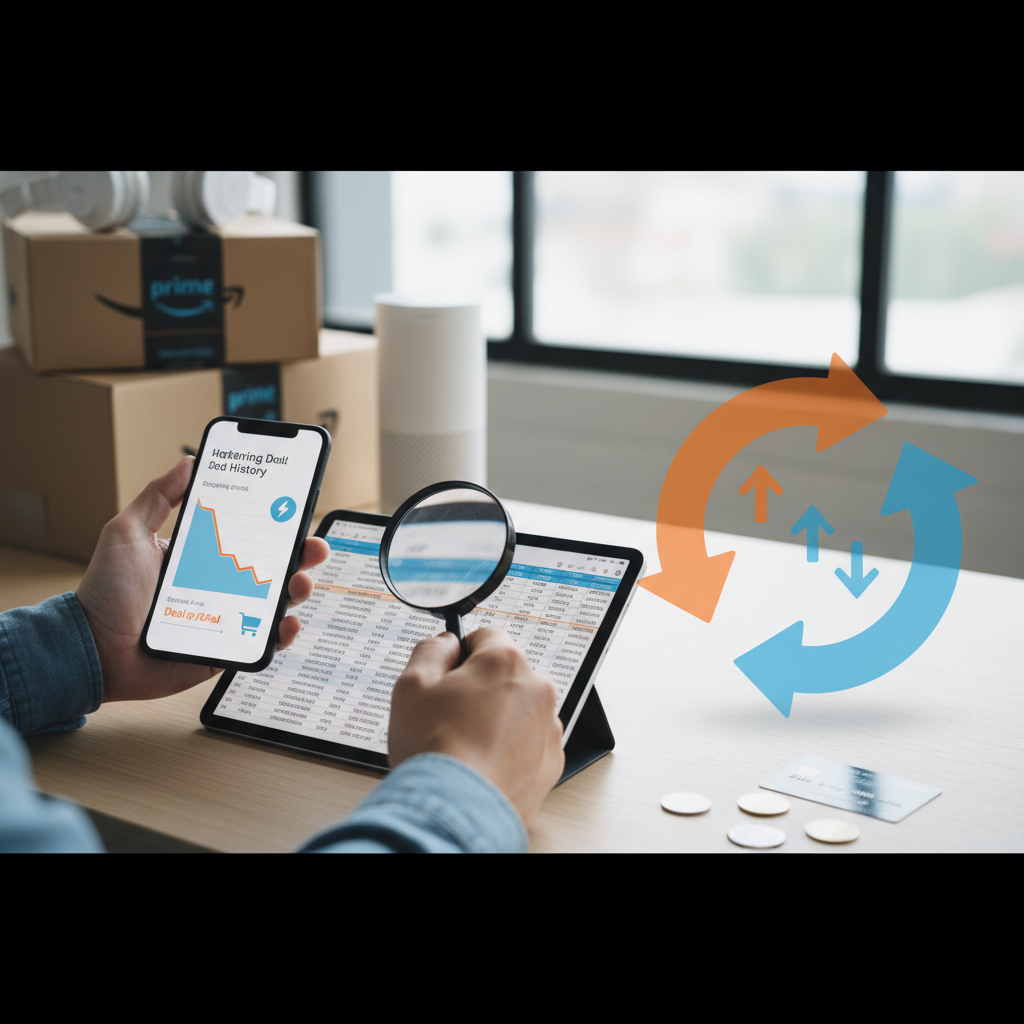
Amazon's Prime Day lightning deals flash across your screen for hours, creating urgency around discounts that may or may not represent actual savings. Price history tracking reveals the difference between genuine markdowns and inflated "original" prices designed to make standard retail costs appear like bargains.
Major retailers including Amazon, Target, and Walmart routinely adjust baseline prices in the weeks leading up to major sales events. This practice makes their promotional discounts appear more substantial than they actually are. Understanding how to research actual price trends protects you from spending money on deals that aren't really deals at all.
Track Three Months of Pricing Data Before Prime Day
Price tracking tools like Honey, CamelCamelCamel, and Keepa show you the complete pricing history of any product over time. Look for items that have maintained consistent pricing for at least 60-90 days before Prime Day arrives. Products with stable pricing patterns that suddenly drop during the event represent authentic discounts. Avoid items where the "original" price only appeared for a few days or weeks before being marked down, as these often indicate artificial price inflation designed to create the illusion of savings.
Compare Lightning Deal Prices Across Multiple Retailers
True lightning deals beat regular retail prices at competing stores, not just the seller's own inflated baseline. Check the same product at Best Buy, Target, Walmart, and other major retailers during Prime Day promotions. Genuine deals typically offer prices that are 15-30% below what other stores charge for identical items. When a lightning deal price matches or barely beats regular retail pricing elsewhere, you're looking at marketing manipulation rather than actual savings.
Focus on Products That Rarely Go on Sale
Electronics, appliances, and brand-name items that maintain consistent pricing throughout the year offer the most reliable lightning deal opportunities. Apple products, Nintendo gaming systems, and premium kitchen appliances from brands like KitchenAid or Vitamix rarely see significant discounts outside of major sales events. When these items appear in lightning deals with substantial markdowns from their established retail prices, you've found authentic savings opportunities worth pursuing.
Ignore Percentage Discounts and Calculate Actual Dollar Savings
Retailers manipulate percentage savings by inflating original prices, making modest dollar reductions appear impressive. A 50% discount on a product "originally" priced at twice its normal retail value still leaves you paying regular price. Calculate the actual dollar amount you're saving compared to what you'd typically spend for the same item. Focus on lightning deals where the dollar savings amount represents meaningful money in your budget, regardless of the percentage discount advertised.
Research Private Label and Amazon Basics Items Separately
Amazon's private label products follow different pricing strategies than national brands during Prime Day events. Amazon Basics, Solimo, and other house brand items often receive their deepest discounts during Prime Day because Amazon controls both the wholesale and retail pricing. These products may offer genuine value compared to name-brand alternatives, but compare them against similar private label items from Target's Goodfellow & Co. or Walmart's Great Value lines to ensure the savings are real.
Set Price Alerts for Specific Items Months in Advance
Price tracking apps allow you to set alerts that notify you when items drop below your target price point. Establish these alerts at least three months before Prime Day to understand normal pricing fluctuations for products you actually need. Lightning deals that trigger your pre-set alerts represent authentic opportunities to buy items you were already planning to purchase. This strategy prevents impulse purchases on artificial deals while ensuring you catch genuine discounts on planned expenses.
Verify Deal Authenticity Through Historical Low Price Data
CamelCamelCamel and similar services track the historical lowest price for every product Amazon sells. Lightning deals that approach or beat these historical lows offer genuine savings opportunities. Products where the Prime Day price sits significantly above the historical low may still represent decent deals, but they're not the exceptional bargains the marketing suggests. Use this data to prioritize your time and attention on deals that truly represent the best pricing available.
Check Deal Duration and Stock Levels for Urgency Indicators
Authentic lightning deals with limited quantities sell out quickly, while marketing-driven promotions often maintain stock throughout their promotional windows. Real inventory scarcity creates genuine urgency, whereas artificially created time pressure without actual supply constraints indicates promotional manipulation. Products that remain "lightning deals" for hours while maintaining full stock availability suggest the promotional price may not represent exceptional value compared to what you'll find during other sales events throughout the year.
Price history research transforms Prime Day shopping from an impulse-driven experience into a strategic opportunity to secure genuine discounts. The most successful deal hunters spend time tracking prices long before sales events begin, allowing them to quickly identify authentic bargains when promotional periods arrive.