How Airbnb Host Communication Patterns Before Booking Reveal Property Quality and Guest Experience Red Flags
Amanda Foster
05/09/2026
4 min read
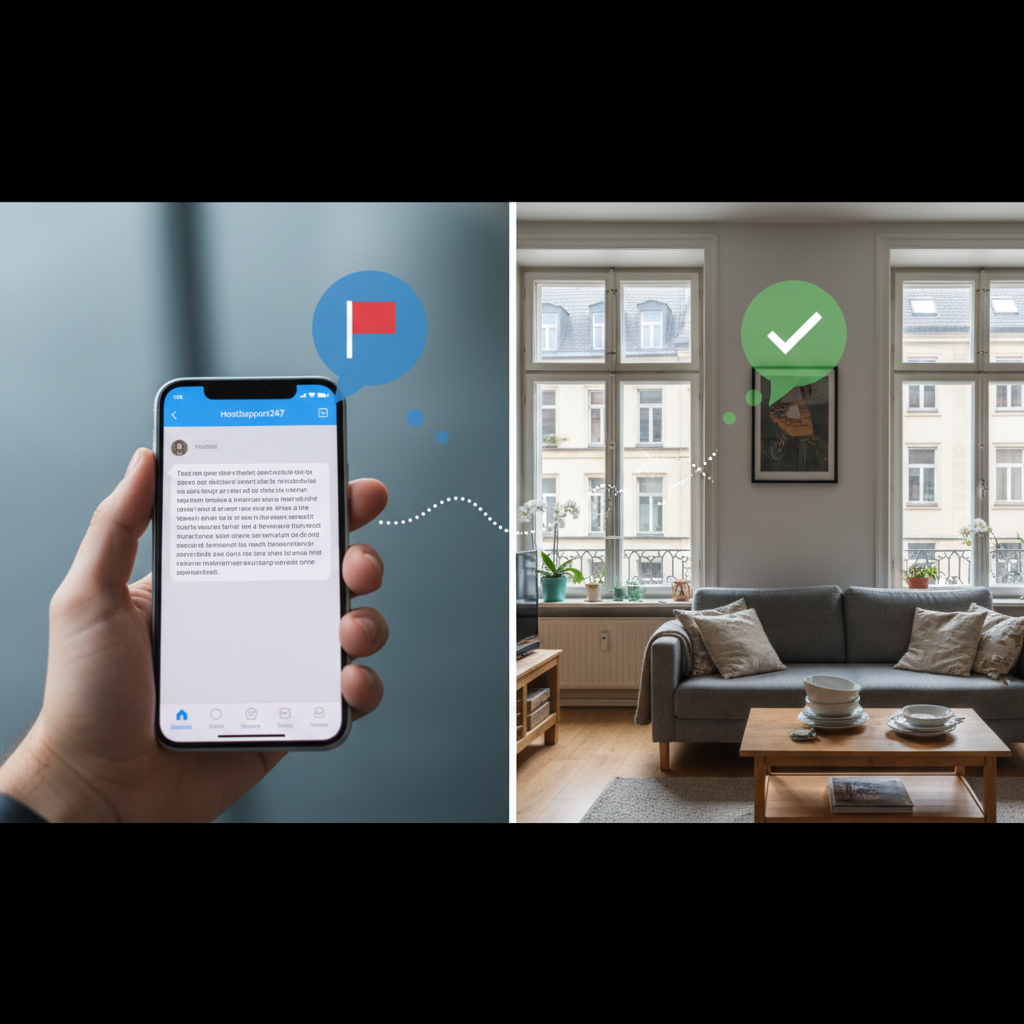
Booking the perfect Airbnb feels like a gamble when you're scrolling through photos that could hide anything from outdated amenities to unresponsive hosts. The real insight into what your stay will actually be like often comes through something most travelers overlook: how hosts communicate before you even book.
Those initial messages, response times, and conversation patterns reveal more about property quality and guest experience than any carefully curated listing photo ever could.
Look for Detailed Responses to Specific Questions
Hosts who truly know their properties inside and out provide thorough, specific answers to your questions. When you ask about WiFi speed for remote work, quality hosts mention actual speeds or recent upgrades rather than vague "high-speed internet" responses. They'll explain parking logistics with details about street permits or garage access codes. This level of detail indicates hands-on property management and suggests the space will match expectations. Vague or copy-paste responses often signal either inexperienced hosts or properties managed by third parties who rarely visit the actual space.
Notice Response Time Patterns and Consistency
Consistent response times within 2-4 hours during reasonable hours indicate organized, professional management. Hosts who take days to respond to simple questions about check-in procedures or amenities often continue that pattern during your stay when you need assistance. Quality hosts typically respond faster to booking inquiries than to general questions, but maintain reasonable communication standards throughout. Pay attention to message timestamps across different days of the week. Hosts who only respond on weekdays might be managing properties remotely or juggling too many listings to provide attentive service.
Evaluate How Hosts Handle Concerns or Limitations
Exceptional hosts proactively mention potential issues like nearby construction, seasonal noise patterns, or amenity limitations before you discover them yourself. When you ask about specific needs like early check-in or luggage storage, attentive hosts either offer solutions or suggest alternatives rather than simply saying "no." They might recommend nearby cafes with WiFi if their internet occasionally falters, or suggest parking apps if street parking gets competitive. This transparency about limitations paired with helpful alternatives indicates hosts who prioritize guest satisfaction over just securing bookings.
Assess Local Knowledge and Personalized Recommendations
Hosts who live locally or frequently visit their properties offer restaurant recommendations beyond tourist traps and know current neighborhood changes like new bike lanes or temporary street closures. They can suggest specific dishes at nearby restaurants, mention which grocery stores carry international ingredients, or recommend quieter walking routes to popular attractions. Generic recommendation lists copied from travel websites signal distant property management. Local hosts often mention seasonal events, farmers markets, or neighborhood festivals that enhance your visit but don't appear in standard guidebooks.
Watch for Immediate Red Flags in Communication Style
Hosts who pressure quick booking decisions without allowing time for questions prioritize turnover over guest satisfaction. Messages filled with excessive rules, warnings, or penalty fees suggest hosts who've had problems but address symptoms rather than root causes of guest dissatisfaction. Communication that feels scripted or impersonal across multiple message exchanges indicates volume-focused management rather than hospitality-focused hosting. Hosts who become defensive about property questions or dismiss concerns as unimportant often provide similarly dismissive service when issues arise during your stay.
Test Host Problem-Solving Skills with Hypothetical Scenarios
Ask about potential scenarios like flight delays affecting check-in times or weather impacting planned activities to gauge how hosts handle unexpected situations. Quality hosts offer multiple solutions, maintain flexibility within reason, and demonstrate genuine interest in ensuring your trip succeeds despite complications. They might suggest secure package delivery options, recommend indoor alternatives to outdoor attractions, or connect you with local services. Hosts who seem flustered by hypothetical problems or offer only rigid solutions likely struggle with real problems that emerge during stays.
Analyze Property Knowledge Through Maintenance Questions
Inquiries about recent updates, appliance ages, or system reliability reveal how closely hosts monitor their properties. Attentive hosts know when they last replaced major appliances, can describe recent renovations, and mention any ongoing maintenance schedules that might affect your stay. They understand seasonal property challenges like heating efficiency in winter or air conditioning performance during summer heat waves. Hosts who seem uncertain about basic property features or defer maintenance questions to "property managers" often discover problems simultaneously with their guests rather than preventing them proactively.
Gauge Flexibility Around House Rules and Policies
Reasonable hosts explain the reasoning behind important house rules and show flexibility around less critical policies when circumstances warrant. They distinguish between rules that protect property and neighbor relationships versus preferences that enhance their management convenience. Quality hosts might adjust checkout procedures for early flights or modify quiet hours for special celebrations when approached respectfully. Inflexible adherence to every policy regardless of context, or inability to explain why specific rules exist, suggests hosts focused more on control than collaborative problem-solving.
The travel industry continues moving toward more personalized, authentic experiences where host-guest relationships matter as much as property amenities. Travelers who master reading these communication patterns before booking consistently enjoy better stays and avoid disappointing surprises that turn dream vacations into frustrating experiences.