How Humidity Levels in Your Home Affect Respiratory Health and Simple Adjustments That Improve Air Quality Within Days
Emily Rodriguez
05/08/2026
5 min read
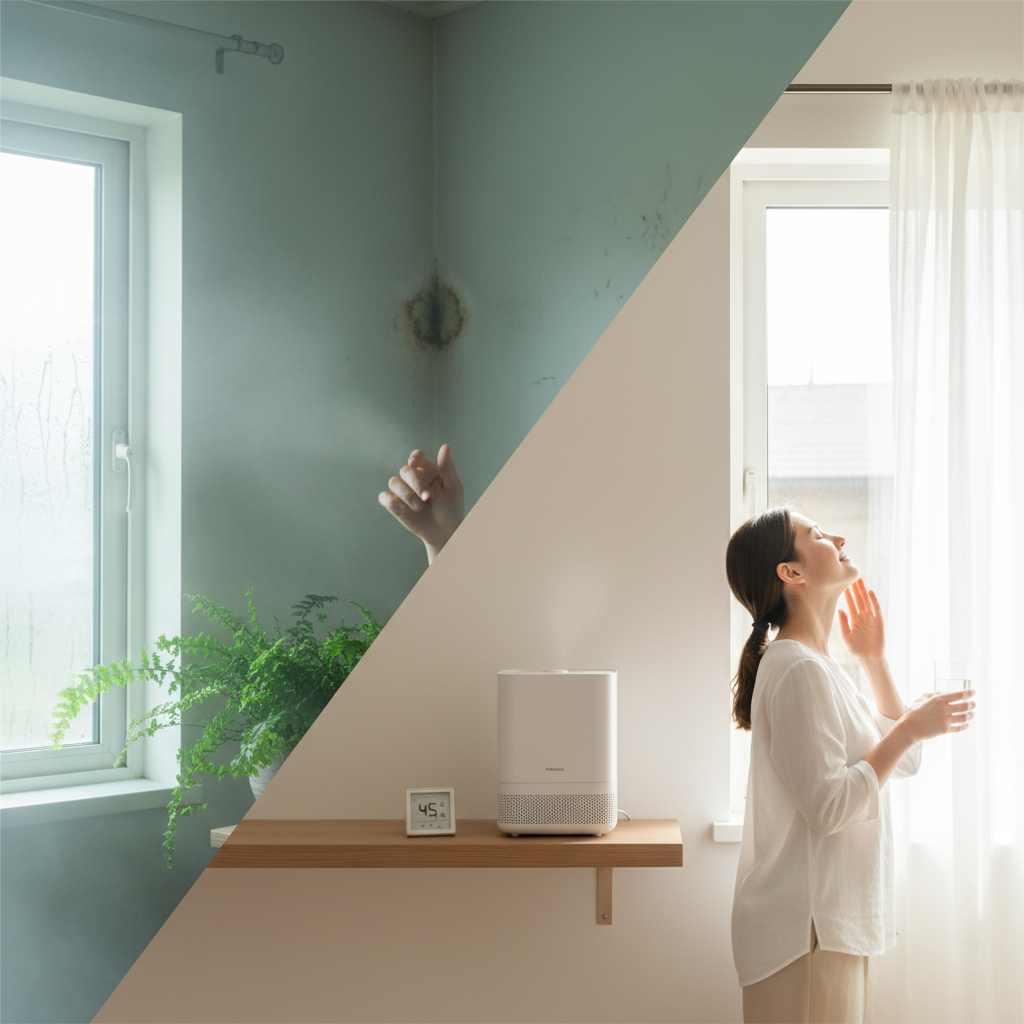
Indoor humidity levels directly influence your respiratory system's ability to filter pollutants, maintain healthy mucous membranes, and resist infections. Most homes maintain humidity between 30-50%, but seasonal changes, heating systems, and poor ventilation can push levels well outside this optimal range. When humidity drops below 30%, your nasal passages dry out and lose their natural filtering capacity. When it exceeds 60%, dust mites multiply rapidly and mold growth accelerates.
Your respiratory tract relies on properly humidified air to function effectively. The mucous membranes lining your nose, throat, and lungs need adequate moisture to trap particles, bacteria, and allergens before they reach deeper into your system. Dry air causes these protective barriers to crack and become inflamed, while excessive moisture creates breeding grounds for harmful microorganisms that trigger asthma and allergic reactions.
Monitor Your Home's Current Humidity Levels
Digital hygrometers from brands like AcuRite or ThermoPro provide accurate readings for under twenty dollars and help you establish baseline measurements throughout different seasons. Place monitors in your bedroom, living room, and basement since humidity varies significantly between floors and rooms. Check readings at different times of day, particularly morning and evening, when temperature changes affect moisture levels. Many people discover their homes run much drier or more humid than expected, especially during winter heating seasons or summer cooling periods.
Address Overly Dry Air With Strategic Humidification
When humidity drops below 30%, your sinuses become irritated and more susceptible to infections. Ultrasonic humidifiers like those from Levoit or Honeywell can restore proper moisture levels within 24-48 hours in medium-sized rooms. Place humidifiers away from walls and electronics, and use distilled water to prevent mineral buildup that creates white dust. Clean tanks every three days with vinegar solution to prevent bacterial growth. For whole-house solutions, consider adding humidity to your HVAC system through bypass or steam humidifiers installed by professionals.
Combat Excessive Moisture Through Improved Ventilation
Humidity above 60% encourages dust mite reproduction and mold spore release, both major respiratory irritants. Run bathroom exhaust fans during and for thirty minutes after showers to remove moisture at its source. Kitchen range hoods should operate while cooking and for fifteen minutes afterward to capture steam from boiling water and cooking processes. Open windows for cross-ventilation when outdoor humidity is lower than indoor levels, typically during cooler morning hours. Dehumidifiers become necessary in basements, laundry rooms, and other consistently damp spaces where ventilation alone proves insufficient.
Replace HVAC Filters More Frequently During Problem Seasons
Dirty air filters reduce airflow and trap moisture, creating microclimates that support allergen growth throughout your ductwork. Change standard filters monthly during peak heating and cooling seasons rather than following manufacturer recommendations of 90 days. Upgrade to MERV 11 or 13 filters that capture smaller particles including pollen, pet dander, and mold spores. Clean or replace reusable filters every two weeks if you notice dust accumulation or reduced airflow from vents. Proper filtration works synergistically with humidity control to maintain cleaner, more breathable indoor air.
Identify and Eliminate Hidden Moisture Sources
Leaky pipes, poor window seals, and inadequate vapor barriers create localized humidity spikes that affect entire rooms over time. Check under sinks, around water heaters, and near exterior walls for signs of moisture intrusion like water stains or musty odors. Seal gaps around windows and doors with weatherstripping or caulk to prevent humid outdoor air from entering during summer months. Ensure clothes dryers vent outside rather than into basements or utility rooms where moisture accumulates and spreads throughout the house.
Use Natural Humidity Regulators for Gentle Adjustments
Certain houseplants like Boston ferns, peace lilies, and spider plants naturally increase humidity through transpiration while filtering airborne toxins. Group several plants together in dry rooms during winter months for measurable humidity increases without electricity costs. Bowls of water placed near heat sources provide passive humidification, while activated charcoal bags absorb excess moisture in damp areas. These natural approaches work best for minor adjustments rather than correcting severe humidity imbalances that require mechanical solutions.
Time Your Humidity Adjustments With Seasonal Changes
Anticipate seasonal humidity shifts by adjusting systems before problems develop rather than reacting after respiratory symptoms appear. Begin increasing humidity in early fall before heating systems dry out indoor air, and start moisture reduction efforts in late spring before summer humidity peaks. Monitor outdoor weather patterns since rapid atmospheric changes affect indoor conditions within hours. Keep backup solutions ready, such as portable units that can address sudden humidity spikes during storms or unexpected dry spells during typically humid periods.
Create Room-Specific Humidity Zones for Targeted Comfort
Bedrooms benefit from slightly higher humidity (40-45%) to prevent nighttime nasal congestion and throat irritation that disrupts sleep quality. Basements and storage areas should maintain lower levels (30-35%) to prevent mold growth on stored items and building materials. Living spaces function well at moderate humidity (35-40%) that balances comfort with allergen control. Use door thresholds and proper HVAC zoning to maintain these different levels rather than trying to achieve uniform humidity throughout your entire home.
Optimal humidity management becomes increasingly important as homes become more energy-efficient and tightly sealed. Smart home technology now integrates humidity monitoring with heating and cooling systems, automatically adjusting moisture levels based on weather forecasts and indoor conditions. These advances make maintaining healthy indoor air quality more achievable for homeowners who want to protect their respiratory health through environmental control rather than relying solely on medications or treatments after problems develop.