How Humidity Levels in Your Home Affect Respiratory Health and Simple Adjustments That Improve Air Quality Within Days
Emily Rodriguez
05/08/2026
4 min read
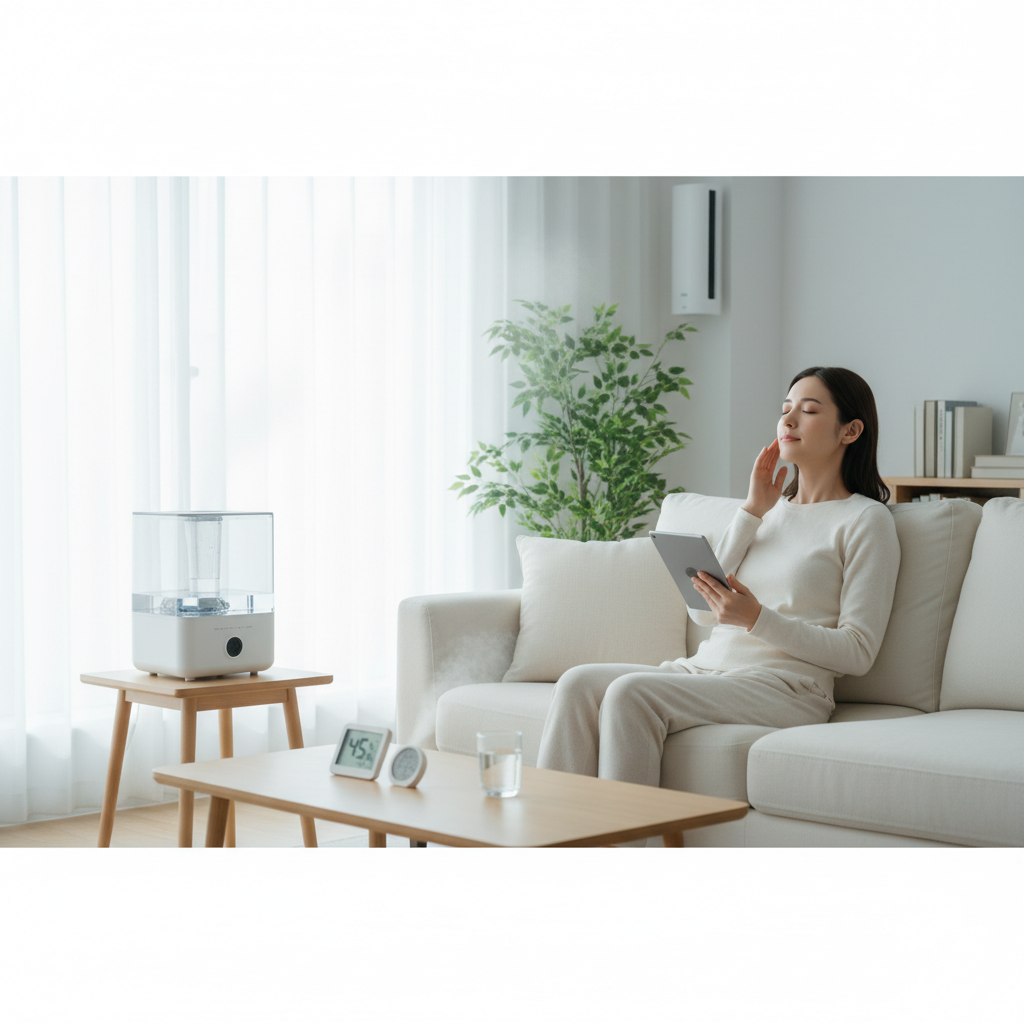
Indoor humidity levels directly influence respiratory function, immune response, and overall breathing comfort in ways that become noticeable within hours of adjustment. Most homes maintain humidity between 30-60%, but the optimal range for respiratory health sits more precisely between 40-50%, where airborne pathogens struggle to survive and mucous membranes function at peak efficiency.
When humidity drops below 30%, nasal passages dry out, reducing their ability to filter airborne particles and bacteria. Conversely, humidity above 60% creates ideal conditions for dust mites, mold spores, and bacterial growth that trigger asthma and allergic reactions. These effects compound over time, making humidity control one of the most impactful yet overlooked aspects of home health management.
Monitor Current Levels with Digital Hygrometers
Accurate humidity measurement provides the foundation for effective respiratory health improvements. Place digital hygrometers like the ThermoPro TP55 in bedrooms, living areas, and basements to identify moisture patterns throughout your home. Check readings at different times of day, since humidity fluctuates with cooking, showering, and weather changes. Most people discover their homes run too dry in winter and too humid in summer, creating year-round respiratory stress.
Adjust Whole-House Humidity with Strategic Ventilation
Controlled ventilation regulates moisture more effectively than expensive humidification systems in most climates. Open windows on opposite sides of your home for 15-20 minutes during mild weather to create cross-ventilation that balances indoor humidity naturally. Run bathroom exhaust fans during and 30 minutes after showers to prevent excess moisture from spreading throughout the house. This simple approach typically brings humidity into the optimal range within 2-3 days.
Add Moisture Through Water-Based Solutions
Dry indoor air responds quickly to strategic moisture addition using everyday household items. Place shallow bowls of water near heating vents, radiators, or sunny windows where evaporation occurs naturally. Houseplants like Boston ferns, peace lilies, and spider plants release moisture through transpiration while filtering air simultaneously. These methods increase humidity gradually without the mineral deposits and maintenance requirements of electric humidifiers.
Remove Excess Moisture with Dehumidification
High humidity requires active moisture removal to prevent respiratory irritants from flourishing. Run dehumidifiers like the Frigidaire FFAP7033T1 in basements, laundry rooms, and other moisture-prone areas, emptying collection tanks daily. Improve air circulation with ceiling fans set to rotate counterclockwise, pulling humid air upward and away from breathing zones. Address water leaks, improve dryer ventilation, and store firewood outside to eliminate moisture sources that contribute to respiratory problems.
Target Bedroom Humidity for Better Sleep
Nighttime humidity directly affects sleep quality and morning respiratory comfort since you spend 6-8 hours breathing bedroom air. Keep bedroom humidity between 40-45% using a small room humidifier or dehumidifier based on your home's typical patterns. Position these devices away from your bed to minimize noise while ensuring even air distribution. Many people notice reduced snoring, morning stuffiness, and throat irritation within the first week of optimization.
Clean Air Ducts and Replace Filters Regularly
Duct systems distribute humidity along with airborne particles that affect respiratory health. Change HVAC filters monthly during peak heating and cooling seasons, upgrading to MERV 8-11 filters that capture smaller particles without restricting airflow. Clean supply and return vents quarterly to remove dust accumulation that thrives in improper humidity conditions. Professional duct cleaning every 3-5 years removes deeper contamination that standard maintenance can't address.
Use Natural Materials to Buffer Humidity
Certain materials naturally absorb and release moisture, helping stabilize indoor humidity without mechanical systems. Bamboo cutting boards, wooden furniture, and cotton textiles act as humidity buffers, absorbing excess moisture when levels rise and releasing it when air becomes too dry. Avoid synthetic materials and plastic furniture in bedrooms and main living areas, as these don't provide humidity regulation and can trap moisture against surfaces.
Address Seasonal Humidity Patterns
Anticiping seasonal changes allows you to adjust humidity management before respiratory symptoms develop. Winter heating systems typically require moisture addition through houseplants, water bowls, or small humidifiers in bedrooms. Summer air conditioning often creates excess humidity in bathrooms and kitchens, requiring improved ventilation and strategic dehumidifier placement. Planning these adjustments 2-3 weeks before seasonal transitions maintains consistent respiratory comfort year-round.
Improved humidity control represents one of the most cost-effective approaches to respiratory health, with benefits typically appearing within days of implementation. As smart home technology advances, integrated humidity monitoring and automatic adjustment systems will make optimal respiratory environments easier to maintain, though the fundamental principles of measurement, ventilation, and moisture management remain unchanged.