How Forest Bathing Reduces Cortisol Levels and Improves Immune Function More Effectively Than Traditional Exercise
David Park
03/06/2026
4 min read
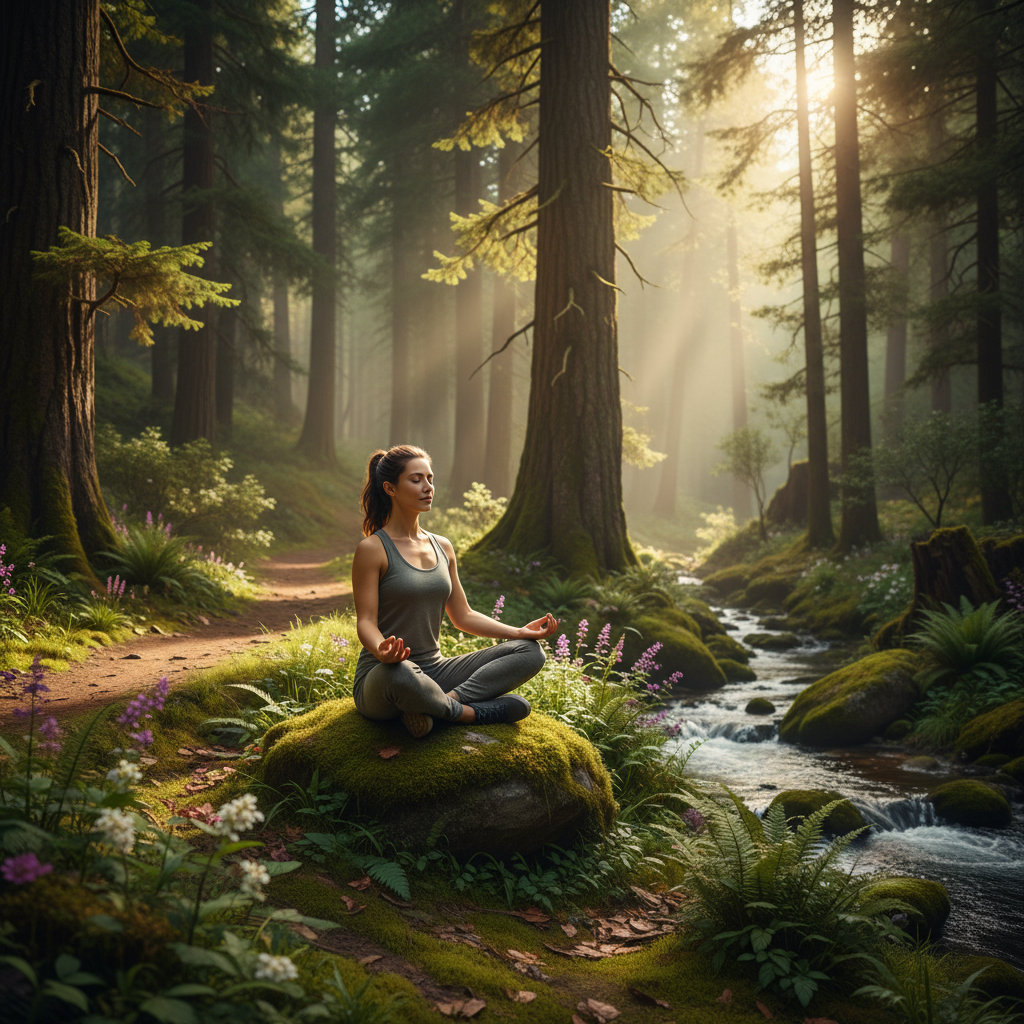
The gentle rustle of leaves overhead and the earthy scent of decomposing forest floor create more than just a peaceful atmosphere. This immersive experience, known as forest bathing or shinrin-yoku, triggers measurable physiological changes that surpass many conventional approaches to stress reduction and immune system enhancement. While gyms and fitness studios fill with people seeking better health through structured exercise routines, a growing body of research reveals that simply spending intentional time among trees delivers profound benefits that traditional workouts struggle to match.
The Ancient Practice Meets Modern Science
Forest bathing originated in Japan during the 1980s as a response to increasing urbanization and technology-related stress. Unlike hiking or jogging through wooded areas, this practice emphasizes mindful presence rather than physical exertion. Participants move slowly through forest environments, engaging all five senses while breathing deeply and observing their natural surroundings. The practice has since spread to wellness centers in California, healing gardens at medical facilities like Mayo Clinic, and therapeutic programs across Europe. What distinguishes forest bathing from other outdoor activities is its emphasis on stillness, contemplation, and conscious connection with the forest ecosystem rather than achieving fitness goals or covering distance.
Understanding Cortisol's Role in Health
Cortisol, often called the stress hormone, serves essential functions in the body's fight-or-flight response system. However, chronically elevated cortisol levels contribute to weakened immune function, disrupted sleep patterns, increased inflammation, and impaired cognitive performance. Traditional exercise, while beneficial for overall health, can actually increase cortisol production during and immediately after intense workouts. This temporary spike serves a purpose in fitness adaptation, but for individuals already dealing with chronic stress, additional cortisol elevation may compound existing health challenges. The body's cortisol response to different activities varies significantly, with gentle, meditative practices typically producing more favorable hormonal profiles than high-intensity training sessions.
Measurable Stress Reduction Through Natural Immersion
Time spent in forest environments consistently produces dramatic reductions in cortisol levels within just fifteen to twenty minutes of arrival. The decrease often ranges from twenty to thirty percent below baseline measurements, with effects lasting several hours after the forest experience ends. These reductions occur without the physical fatigue or recovery time associated with intensive exercise routines. Forest environments also lower blood pressure, reduce heart rate variability, and decrease activity in the prefrontal cortex, the brain region associated with rumination and anxiety. The combination of phytoncides, organic compounds released by trees, along with the absence of urban noise and visual stimuli, creates optimal conditions for activating the parasympathetic nervous system's rest-and-digest response.
Natural Killer Cells and Immune System Enhancement
The immune system benefits of forest bathing extend far beyond stress reduction through enhanced natural killer cell activity. These specialized white blood cells play crucial roles in defending against viral infections and preventing tumor formation. Forest exposure increases both the number and activity level of natural killer cells, with improvements lasting up to thirty days after a single forest bathing session. The enhancement appears linked to inhalation of phytoncides, antimicrobial compounds that trees release as part of their natural defense systems. While moderate exercise also supports immune function, the sustained natural killer cell activation following forest immersion surpasses the temporary immune boost from most workout routines. Additionally, forest environments reduce inflammatory markers more effectively than gym-based activities.
Comparing Outcomes with Traditional Exercise
Traditional exercise certainly provides cardiovascular benefits, muscle strengthening, and endorphin release that forest bathing cannot replicate. However, when comparing stress reduction and immune enhancement specifically, forest immersion demonstrates superior outcomes with less time investment and no physical strain. High-intensity workouts can suppress immune function temporarily while the body recovers, whereas forest bathing immediately enhances immune markers without any recovery period. The cortisol reduction from forest exposure also tends to be more sustained than the brief relaxation period following exercise. For individuals dealing with chronic stress, autoimmune conditions, or high-pressure lifestyles, forest bathing offers therapeutic benefits that complement rather than compete with traditional fitness routines. The practice works particularly well for those who find conventional exercise stressful or exhausting.
Practical Implementation and Getting Started
You don't need access to pristine wilderness areas to begin experiencing these benefits. Urban forests, city parks with mature trees, botanical gardens, and even tree-lined neighborhoods can provide suitable environments for forest bathing practice. Start with twenty to thirty minute sessions, leaving phones and other devices behind to minimize distractions. Focus on breathing deeply, touching tree bark and leaves, listening to natural sounds, and moving slowly without destination goals. Many communities now offer guided forest bathing programs through organizations like the Association of Nature and Forest Therapy Guides, while apps such as Forest Bathing Central provide self-guided experiences. The key lies in shifting from doing to being, allowing the forest environment to work its physiological magic through presence rather than effort.
Forest bathing represents a significant shift toward evidence-based wellness practices that harness natural environments for health optimization. As urban populations continue growing and chronic stress-related conditions increase, therapeutic applications of forest immersion will likely expand into healthcare settings, corporate wellness programs, and preventive medicine approaches. The practice offers a sustainable, accessible complement to traditional exercise that specifically targets stress reduction and immune enhancement through our deep biological connection to natural environments.