How Forest Bathing Reduces Cortisol Levels and Improves Immune Function More Effectively Than Traditional Exercise
David Park
03/06/2026
3 min read
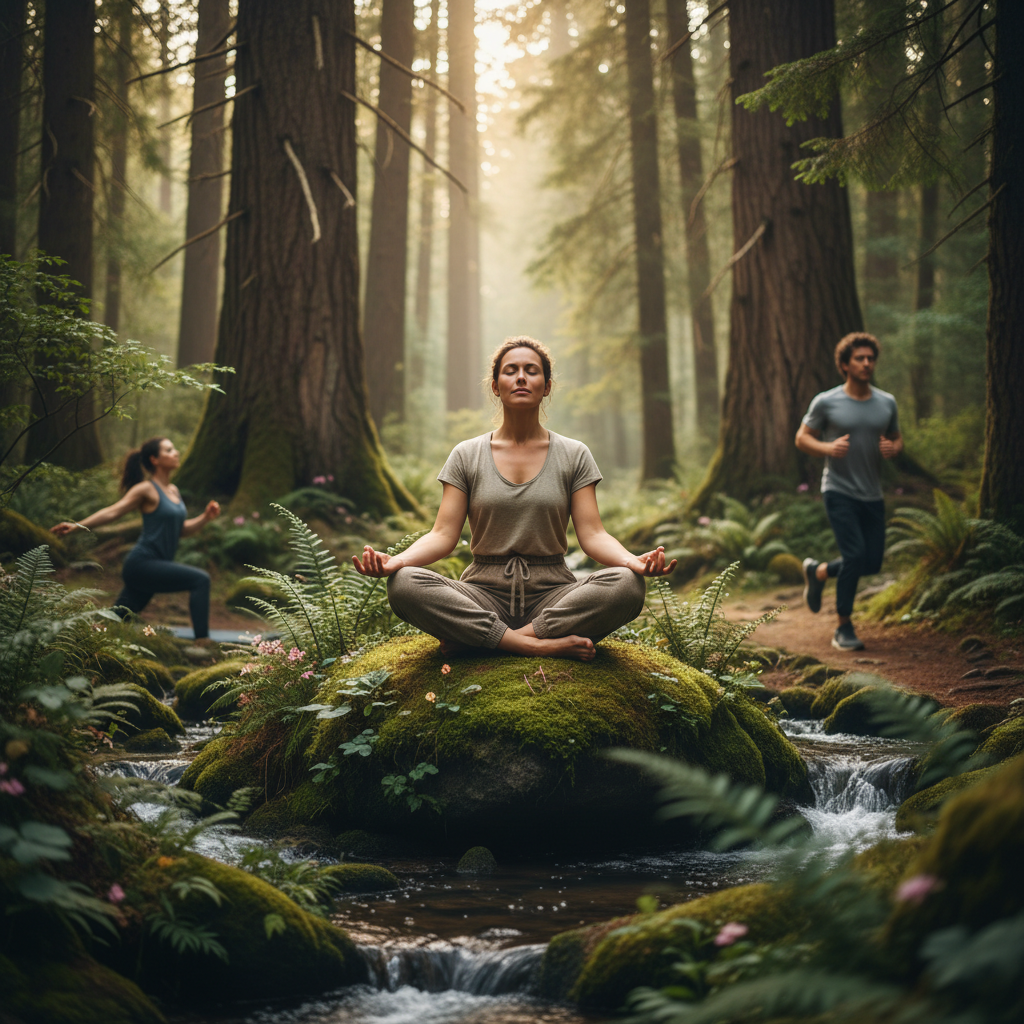
Walking through a forest engages physiological systems in ways that traditional gym workouts cannot replicate. The practice of forest bathing, or shinrin-yoku as it originated in Japan during the 1980s, represents more than simple outdoor recreation—it constitutes a measurable therapeutic intervention that produces specific biochemical changes in the human body. While conventional exercise certainly provides cardiovascular and muscular benefits, the act of mindful immersion in forest environments triggers distinct neurological and immunological responses that extend far beyond what treadmills and weight machines can achieve.
The Biochemical Response to Forest Environments
Forest atmospheres contain elevated concentrations of phytoncides, antimicrobial volatile organic compounds released by trees and plants as natural defense mechanisms. When humans inhale these airborne chemicals during forest exposure, their bodies respond by increasing production of natural killer cells, specialized white blood cells that target infected and cancerous cells throughout the immune system. This cellular activity continues for weeks after a single forest bathing session, creating sustained immune enhancement that standard indoor exercise cannot match. The respiratory intake of these forest compounds also triggers measurable reductions in inflammatory markers, suggesting that trees actively contribute to human health through their chemical communications.
Cortisol Reduction Through Natural Immersion
The stress hormone cortisol drops significantly during forest bathing experiences, with reductions often exceeding those achieved through equivalent time periods of jogging or cycling. Forest environments naturally lower sympathetic nervous system activity while simultaneously increasing parasympathetic responses, creating an ideal physiological state for cortisol normalization. The visual complexity of natural settings, combined with the absence of urban noise pollution, allows the brain to enter a restorative processing mode that actively counters chronic stress responses. Unlike the temporary stress relief that follows intense physical exercise, forest bathing produces cortisol benefits that persist for days, indicating deeper neurological reset mechanisms at work.
Immune System Enhancement Beyond Physical Activity
Traditional exercise primarily strengthens cardiovascular function and muscular systems, but forest bathing specifically enhances immune cell activity and anti-cancer protein production. Natural killer cell activity increases by substantial percentages during forest exposure, while intracellular anti-cancer proteins rise dramatically and remain elevated for extended periods. These immune improvements occur independently of physical exertion levels, meaning that gentle walking or stationary meditation in forest settings produces similar benefits to more vigorous outdoor activities. The immune-boosting effects appear directly linked to the sensory experience of forest environments rather than the metabolic demands of exercise itself.
Neurological Benefits of Forest Exposure
Forest environments activate specific brain regions associated with attention restoration and emotional regulation while simultaneously reducing activity in areas linked to rumination and anxiety. The practice naturally enhances focus and cognitive function through what researchers term "soft fascination"—gentle, effortless attention that allows directed attention systems to recover from mental fatigue. Places like Muir Woods in California and the Adirondack State Park in New York provide ideal forest bathing environments where visitors consistently report improved mood and mental clarity. These neurological changes complement but differ from the endorphin-based mood improvements associated with cardiovascular exercise.
Practical Implementation Strategies
You can begin incorporating forest bathing into your routine by spending at least two hours monthly in dense woodland areas, focusing on mindful sensory engagement rather than fitness goals. Leave electronic devices behind and practice conscious breathing while touching tree bark, listening to forest sounds, and observing the interplay of light and shadow through canopy layers. Urban alternatives include extended time in large parks like Central Park in New York or Griffith Park in Los Angeles, though the phytoncide concentrations will be lower than in dense forests. The key lies in shifting from goal-oriented exercise mindset to receptive, contemplative awareness that allows your nervous system to fully engage with the forest environment.
The Future of Nature-Based Health Interventions
Healthcare systems increasingly recognize forest bathing as a legitimate preventive medicine practice, with some insurance providers beginning to cover guided forest therapy sessions. Medical schools are incorporating nature-based interventions into curricula, while urban planners design healing gardens and forest corridors specifically for therapeutic use. This integration of natural environments into formal health treatment represents a significant shift toward acknowledging that human wellness depends on regular contact with living ecosystems, not merely physical fitness achievements.