How Standing Desk Transition Periods Affect Joint Health and Productivity During the First Month
Emily Rodriguez
04/01/2026
5 min read
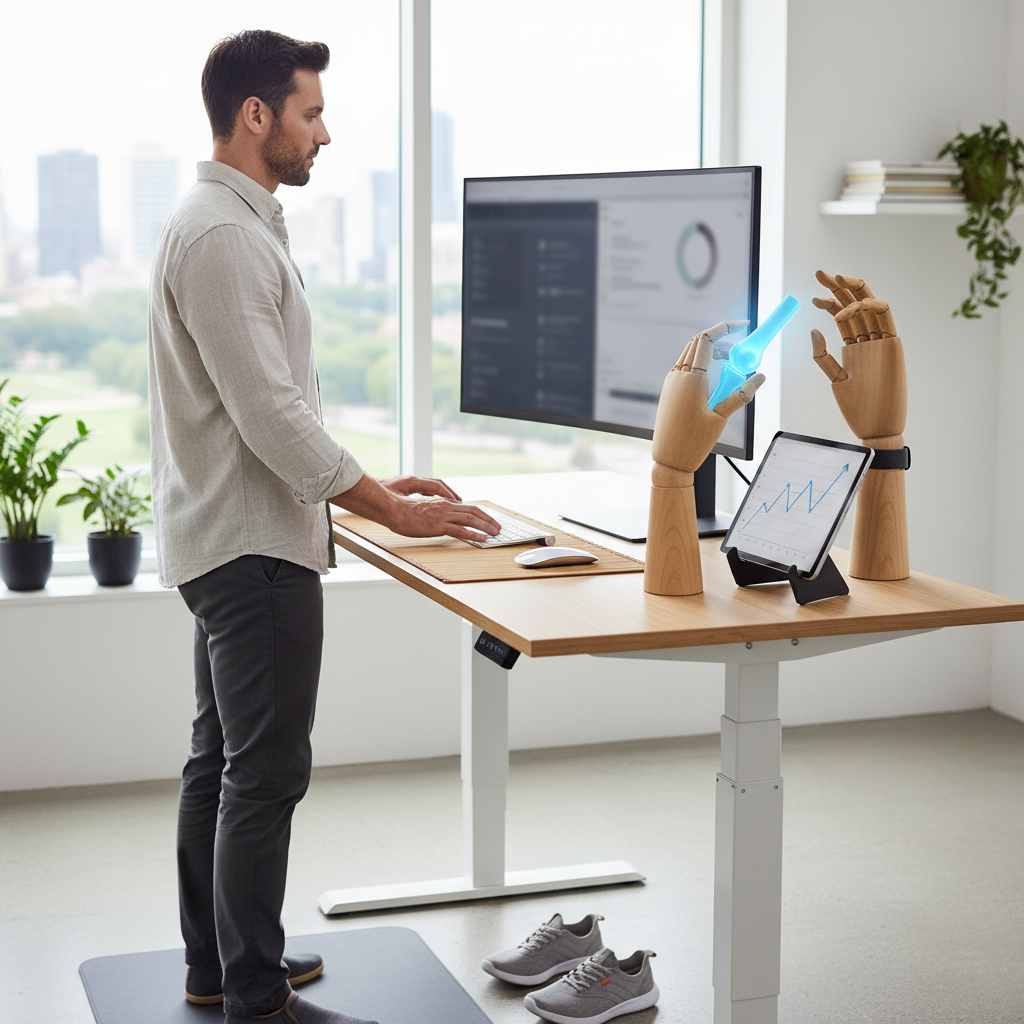
Switching to a standing desk creates an immediate shift in how your body distributes weight and engages muscles throughout the workday. Your feet, legs, hips, and lower back suddenly bear responsibility for supporting your entire body weight during tasks that previously relied on chair support. This dramatic change triggers a complex adaptation period where your joints, muscles, and circulatory system must recalibrate to new demands.
The first month represents a critical adjustment window where your body either adapts successfully to standing work or develops compensatory patterns that can lead to discomfort and reduced productivity. Understanding how this transition affects your joint health and work performance helps you navigate the adaptation period more effectively.
Start With 15-Minute Standing Intervals
Begin your standing desk journey with short, frequent intervals rather than attempting full standing days immediately. Your ankles, knees, and hip joints need time to strengthen the stabilizing muscles that maintain proper alignment during prolonged standing. Set a timer for 15-minute standing periods followed by 45 minutes of sitting during your first week. This gradual approach allows your joints to adapt without overwhelming them. Companies like Varidesk and FlexiSpot design their standing desk converters specifically to encourage this type of flexible transition, making it easy to alternate between positions throughout the day.
Focus on Proper Weight Distribution
Maintain even weight distribution across both feet to prevent joint strain and muscle imbalances that commonly develop during the first month. Many people unconsciously shift weight to one leg, creating hip misalignment and placing excessive stress on the supporting leg's ankle, knee, and hip joints. Place a small mirror near your workspace or use the reflection in your computer screen to check your standing posture periodically. Your weight should rest evenly on both feet with a slight bend in your knees. Anti-fatigue mats from brands like Topo or Ergodriven encourage subtle movement that helps maintain proper weight distribution and reduces joint stiffness.
Monitor Your Ankle and Calf Response
Pay attention to swelling, stiffness, or persistent soreness in your ankles and calves during the first few weeks of standing desk use. These joints bear the brunt of the transition as your circulatory system adapts to maintaining blood flow against gravity for extended periods. Gentle calf raises every 20-30 minutes help pump blood back toward your heart and prevent pooling in your lower extremities. If you experience significant swelling or pain, reduce your standing time and consult a healthcare provider. Compression socks can provide additional support during the adaptation period, though they shouldn't replace proper standing techniques.
Track Your Energy Levels Throughout the Day
Document how your energy and focus change during different standing intervals to identify your optimal standing schedule. Most people experience an initial energy boost when they begin standing, followed by fatigue as their muscles adapt to the new demands. Keep a simple log noting your energy levels, productivity, and any discomfort during each standing period. This data helps you adjust your schedule to maximize both joint comfort and work performance. Apps like RescueTime or Toggl can help correlate your standing periods with actual productivity metrics, giving you objective feedback about how the transition affects your work output.
Address Hip Flexor Tightness Proactively
Incorporate hip flexor stretches into your daily routine to counteract the tightness that develops as your body adapts to more upright positioning. Years of sitting create shortened hip flexors, and the transition to standing can initially exacerbate this tightness before your muscles lengthen and strengthen appropriately. Simple stretches like standing hip flexor stretches or low lunges performed 2-3 times daily help maintain hip mobility during the adjustment period. Physical therapists often recommend these stretches specifically for standing desk users because hip flexor tightness can contribute to lower back pain and altered walking patterns.
Adjust Your Workspace Height Gradually
Fine-tune your monitor height and keyboard position as your standing posture evolves during the first month. Your initial desk setup may not remain optimal as your body adapts and your natural standing posture changes. Your monitor should sit at eye level when you're standing naturally, and your elbows should rest at approximately 90 degrees when typing. Brands like Herman Miller and Steelcase provide detailed ergonomic guidelines for standing desk setup, but these serve as starting points rather than rigid rules. Make small adjustments weekly based on where you feel tension or strain developing.
Create Movement Opportunities
Build regular movement breaks into your standing routine to prevent joint stiffness and maintain circulation throughout your legs and feet. Standing still for extended periods can be just as problematic as prolonged sitting, creating different but equally challenging demands on your joints. Alternate between standing, sitting, and brief walking periods every 30-45 minutes. Simple movements like shifting weight from one foot to the other, doing gentle ankle circles, or taking a short walk to get water help keep your joints mobile and your muscles engaged. Many successful standing desk users find that incorporating a balance board or standing desk mat with varied textures encourages natural movement.
Listen to Joint Feedback
Pay attention to specific joint discomfort patterns that emerge during your first month and adjust accordingly rather than pushing through pain. Your knees may feel stiff after standing periods, your lower back might ache, or your feet could become sore - each signal provides valuable information about how your body is adapting. Persistent pain in any joint warrants attention and potentially a consultation with a physical therapist who understands workplace ergonomics. However, mild muscle fatigue and gradual strengthening sensations are normal parts of the adaptation process.
The transition to standing desk work represents a significant shift in how your body functions throughout the workday, and the first month sets the foundation for long-term success. Your joints will continue adapting beyond this initial period, but establishing good habits and listening to your body's feedback during these crucial first weeks determines whether standing becomes a sustainable part of your work routine.