How Indoor Air Quality Affects Cognitive Performance and Simple Fixes That Boost Mental Clarity Within Days
Chris Martinez
03/23/2026
5 min read
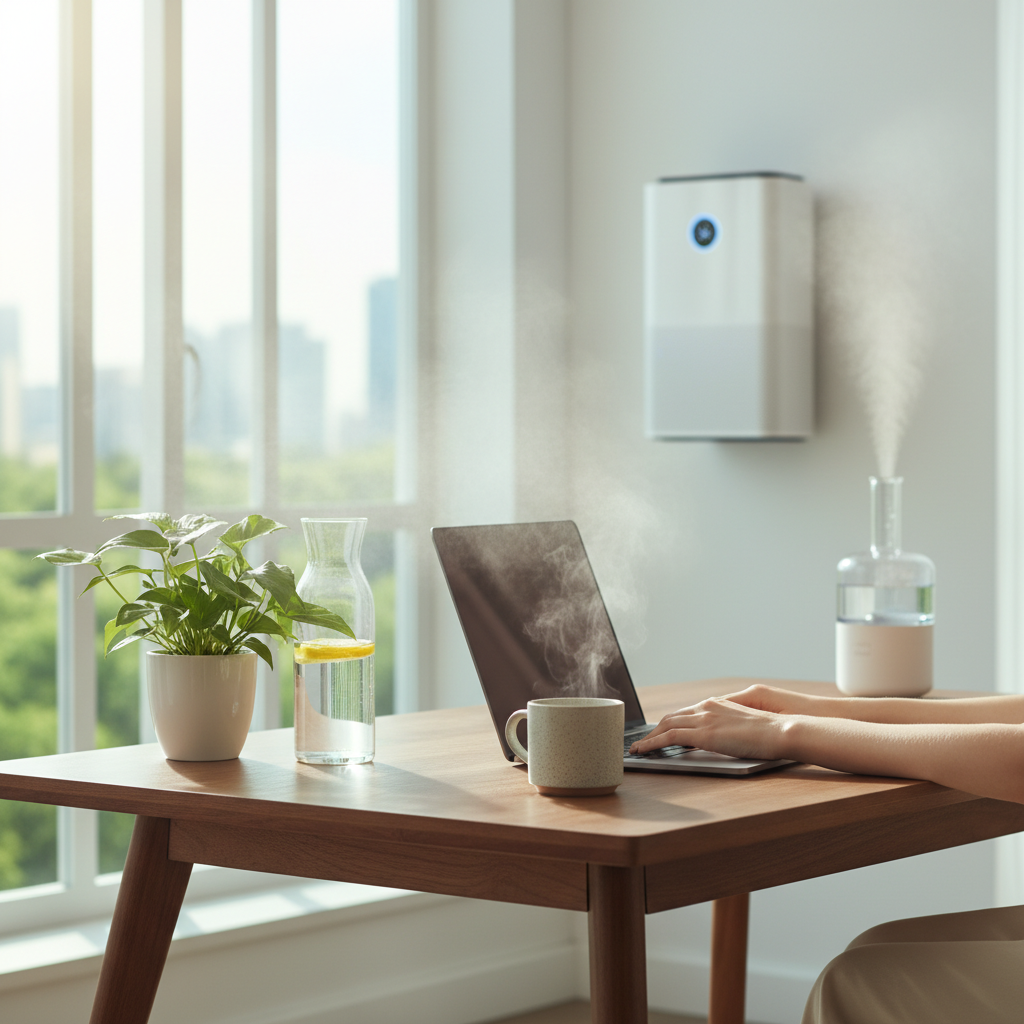
Poor indoor air quality silently undermines cognitive performance, reducing focus, memory, and decision-making abilities while you work, sleep, and live in contaminated environments. The average person spends roughly 90% of their time indoors, breathing air that's often two to five times more polluted than outdoor air. Chemical pollutants from cleaning products, furniture off-gassing, inadequate ventilation, and biological contaminants create a toxic cocktail that impairs brain function.
Your brain consumes about 20% of your body's oxygen supply, making it particularly vulnerable to air quality issues. When pollutants reduce oxygen availability or introduce harmful particles, cognitive performance drops measurably. Studies consistently show that improved air quality enhances working memory, information processing speed, and strategic thinking within days of implementation.
Start With Strategic Ventilation Changes
Opening windows strategically creates immediate improvements in indoor air quality without requiring any equipment purchases. The key lies in timing and technique rather than simply cracking windows randomly. Open windows on opposite sides of your living space during cooler morning hours to create cross-ventilation that flushes out accumulated pollutants from overnight. Even five to ten minutes of purposeful air exchange can reduce carbon dioxide levels and volatile organic compounds that cloud mental clarity. Focus on rooms where you spend the most time working or sleeping.
Remove Hidden Chemical Sources Throughout Your Home
Many common household items continuously release chemicals that impair cognitive function, often without obvious odors or visible signs. Replace conventional cleaning products with simple alternatives like white vinegar, baking soda, and castile soap to eliminate synthetic fragrances and harsh chemicals. Store paint, adhesives, and other chemical products in sealed containers away from living areas. Replace air fresheners and scented candles with nothing at all – clean air shouldn't need masking. Consider the age of your furniture, carpeting, and mattress, as older synthetic materials often off-gas formaldehyde and other neurotoxic compounds for years after purchase.
Add Targeted Plants That Actually Clean Air Effectively
Specific plants remove indoor air pollutants more effectively than others, with some varieties capable of filtering significant amounts of harmful chemicals from your breathing space. Snake plants and spider plants excel at removing formaldehyde and xylene while requiring minimal care and thriving in various light conditions. Pothos plants efficiently filter benzene and trichloroethylene, two common indoor pollutants that affect cognitive performance. Place these plants in bedrooms and home office spaces where you spend extended periods. While plants alone won't solve serious air quality issues, they provide measurable benefits when combined with other strategies.
Upgrade Your HVAC Filter to Hospital-Grade Options
Your heating and cooling system's filter significantly impacts indoor air quality, but most homes use inadequate filters that miss particles affecting brain function. Replace standard fiberglass filters with MERV 11 or MERV 13 rated filters that capture smaller particles including dust mites, pollen, and some bacteria. These higher-efficiency filters trap pollutants before they circulate throughout your home. Brands like Filtrete and Honeywell offer readily available options that fit standard HVAC systems. Change filters every two to three months rather than following extended manufacturer recommendations, as dirty filters reduce both air quality and system efficiency.
Control Humidity Levels Between 30-50 Percent
Humidity levels outside the optimal range promote mold growth or increase dust mites, both of which release particles that impair cognitive function and overall health. Purchase a simple digital hygrometer from Amazon or Home Depot to monitor humidity throughout your home. Use exhaust fans during cooking and showering to prevent moisture buildup in kitchens and bathrooms. Consider a dehumidifier for basements or naturally humid areas, and a humidifier during winter months when heating systems dry indoor air excessively. Maintaining proper humidity prevents biological pollutants while keeping airways comfortable for optimal breathing.
Create a Clean Air Sanctuary in Your Bedroom
Your bedroom deserves special attention since you spend one-third of your life breathing that air, and sleep quality directly impacts next-day cognitive performance. Remove carpeting if possible, as it traps allergens and chemical residues that affect breathing during sleep. Wash bedding weekly in hot water to eliminate dust mites and their waste products. Keep bedroom doors closed during the day to prevent pollutants from other areas infiltrating your sleep space. Consider an air purifier with HEPA filtration specifically for the bedroom, running it continuously on low settings to maintain clean air throughout the night.
Address Cooking Pollution With Better Exhaust Systems
Cooking generates significant indoor air pollution through combustion byproducts, smoke, and grease particles that linger long after meal preparation ends. Always use exhaust fans when cooking, even for simple tasks like toasting bread or boiling water. Ensure your range hood vents outdoors rather than simply recirculating air through filters. Gas stoves produce nitrogen dioxide and carbon monoxide that directly impair cognitive function, so maximize ventilation during use. Consider upgrading to a higher-CFM exhaust fan if your current system seems ineffective at clearing cooking odors and smoke.
Test for Carbon Monoxide and Other Invisible Threats
Carbon monoxide poisoning causes cognitive impairment long before reaching life-threatening levels, making detection crucial for mental clarity and safety. Install battery-operated carbon monoxide detectors near sleeping areas and fuel-burning appliances, replacing batteries annually whether they chirp or not. Consider testing for radon, a naturally occurring radioactive gas that accumulates in basements and lower levels of homes. Professional air quality testing services can identify specific pollutants affecting your home, though simple DIY improvements often provide significant benefits before investing in comprehensive testing.
Monitor Your Progress With Simple Cognitive Benchmarks
Track improvements in mental clarity by noting changes in focus duration, memory recall, and afternoon energy levels rather than relying solely on air quality measurements. Keep a brief daily log of cognitive performance indicators like how long you can concentrate without breaks or how easily you recall information from earlier in the day. Many people notice improvements within 72 hours of implementing basic air quality changes, with continued benefits developing over several weeks. Pay attention to morning alertness levels and late-day mental fatigue as these often improve dramatically with better indoor air quality.
Air quality awareness continues expanding as more people recognize the connection between their breathing environment and cognitive performance. Simple changes create immediate benefits while laying groundwork for more comprehensive improvements to your indoor environment.