Why Your Brain Makes Habit Formation Automatic But Willpower Temporary
Emily Rodriguez
02/28/2026
4 min read
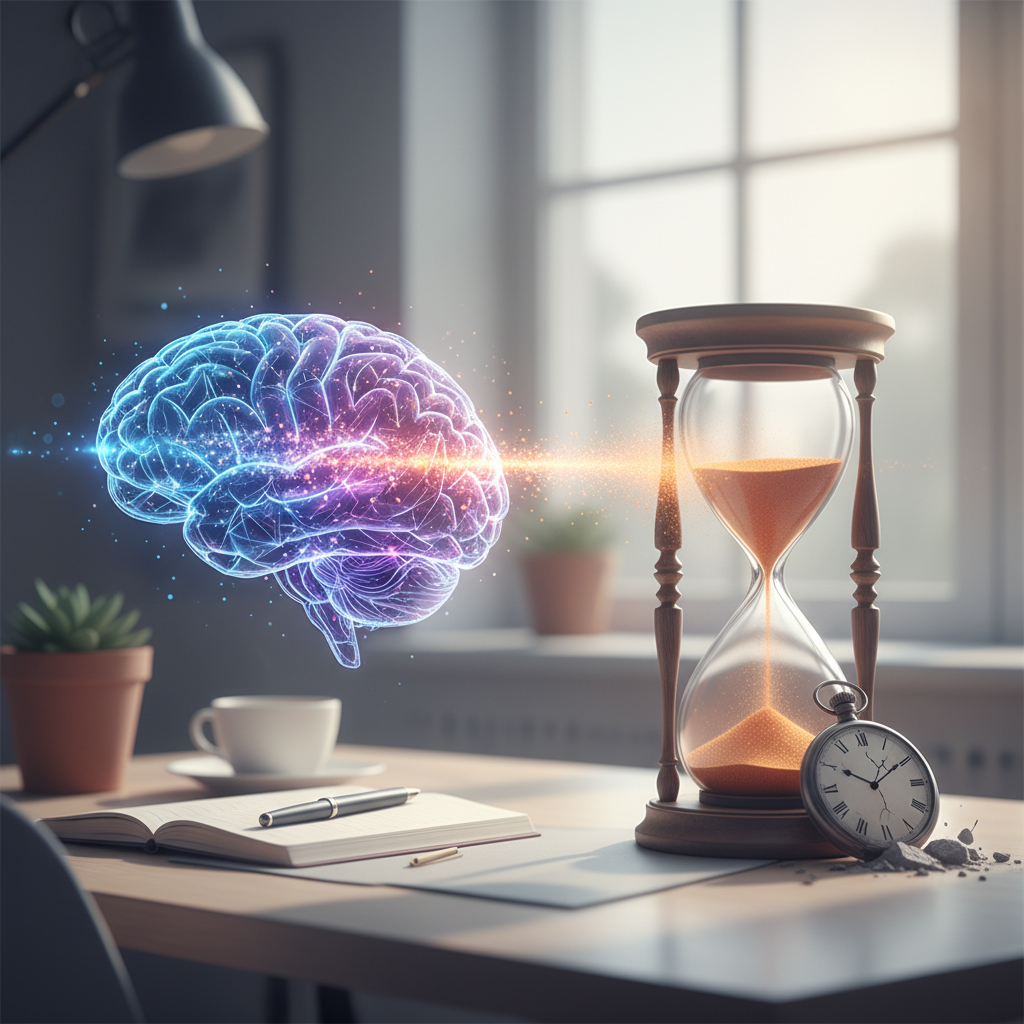
The human brain processes over 35,000 decisions daily, yet most people can maintain focused willpower for only a few hours before mental fatigue sets in. This fundamental mismatch between our cognitive demands and our conscious control capacity explains why New Year's resolutions fail by February and why gym memberships see their highest cancellation rates after just eight weeks. The neuroscience behind habit formation reveals that lasting behavioral change occurs not through sustained willpower, but through strategic rewiring of automatic brain pathways that operate below the threshold of conscious effort.
What Happens When Your Brain Creates Neural Shortcuts?
Neuroscientists have mapped the precise brain regions involved in habit formation, with the basal ganglia serving as the primary control center for automatic behaviors. When a person repeatedly performs the same action in response to a specific cue, neural pathways strengthen through a process called myelination, making the behavior increasingly automatic. This neuroplasticity allows the brain to convert conscious decisions into unconscious routines, freeing up mental resources for more complex tasks. The prefrontal cortex, responsible for executive decision-making, gradually hands over control to the basal ganglia as behaviors become more ingrained. Research conducted at MIT demonstrates that this transfer typically begins after approximately 21 repetitions of a behavior, though complex habits may require several months to become truly automatic.
How Does the Habit Loop Override Conscious Decision-Making?
Every habit follows a three-part neurological loop consisting of a cue, routine, and reward that creates powerful behavioral momentum. The cue triggers the basal ganglia to initiate the habitual behavior, while the routine represents the physical, mental, or emotional action itself. The reward provides the neurochemical payoff that reinforces the entire cycle, releasing dopamine that strengthens the neural pathway for future repetitions. This system evolved to help humans conserve mental energy by automating frequently performed behaviors, from morning coffee preparation to evening tooth brushing. Understanding this loop structure explains why people can drive familiar routes while mentally focused on conversations or why smokers automatically reach for cigarettes during specific situations without conscious intention.
Why Does Willpower Deplete While Habits Strengthen Over Time?
Willpower operates through the prefrontal cortex, which functions similarly to a muscle that becomes fatigued with extended use and requires recovery time. Studies tracking glucose metabolism in the brain show that sustained self-control depletes neural resources, leading to decision fatigue that makes subsequent choices increasingly difficult. This explains why people make poor food choices late in the day after exercising willpower at work, or why athletes perform better with consistent pre-game routines rather than relying on motivation alone. Habits, conversely, become stronger and more efficient over time because they operate through different neural circuits that don't drain cognitive resources. The basal ganglia can execute habitual behaviors even when the prefrontal cortex is exhausted, which explains how people maintain morning routines during stressful periods when other areas of self-control falter.
What Environmental Factors Trigger Automatic Behavioral Responses?
The brain's habit formation system relies heavily on environmental cues that automatically trigger behavioral sequences without conscious awareness. These cues can be temporal (specific times of day), spatial (particular locations), social (certain people or groups), emotional (stress, boredom, excitement), or sensory (sounds, smells, visual stimuli). Research from Stanford University reveals that people who successfully maintain exercise habits typically anchor their workouts to consistent environmental triggers, such as laying out gym clothes the night before or scheduling workouts immediately after morning coffee. Similarly, individuals who struggle with unwanted habits often find success by identifying and modifying their environmental cues rather than relying on willpower to resist temptations. This explains why changing physical environments, such as rearranging kitchen layouts or taking different routes to work, can dramatically impact behavioral patterns.
How Can You Design Systems That Work With Your Brain's Natural Patterns?
Successful habit formation requires designing systems that align with your brain's neurological preferences rather than fighting against them. Start by identifying existing strong habits and attaching new behaviors to these established routines, a technique called habit stacking. For example, if you consistently drink morning coffee, add a five-minute meditation immediately afterward rather than trying to meditate at random times throughout the day. Focus on making new habits as easy as possible initially, reducing friction through environmental design and preparation. Apps like Habitica and Streaks can provide external tracking systems, while companies like Fitbit and Apple have built habit reinforcement directly into their devices through achievement badges and streak counters. The key lies in creating systems where the desired behavior becomes the path of least resistance, allowing your basal ganglia to automate the process naturally.
The neuroscience of habit formation demonstrates that sustainable behavioral change occurs through systematic environmental design and repetition rather than sustained willpower. By understanding how the brain creates automatic behavioral patterns, individuals can work with their natural neurological processes instead of against them, creating lasting changes that persist even during periods of stress or distraction.