The Neuroscience of Habit Formation and Why Willpower Isn't Enough
David Park
02/28/2026
4 min read
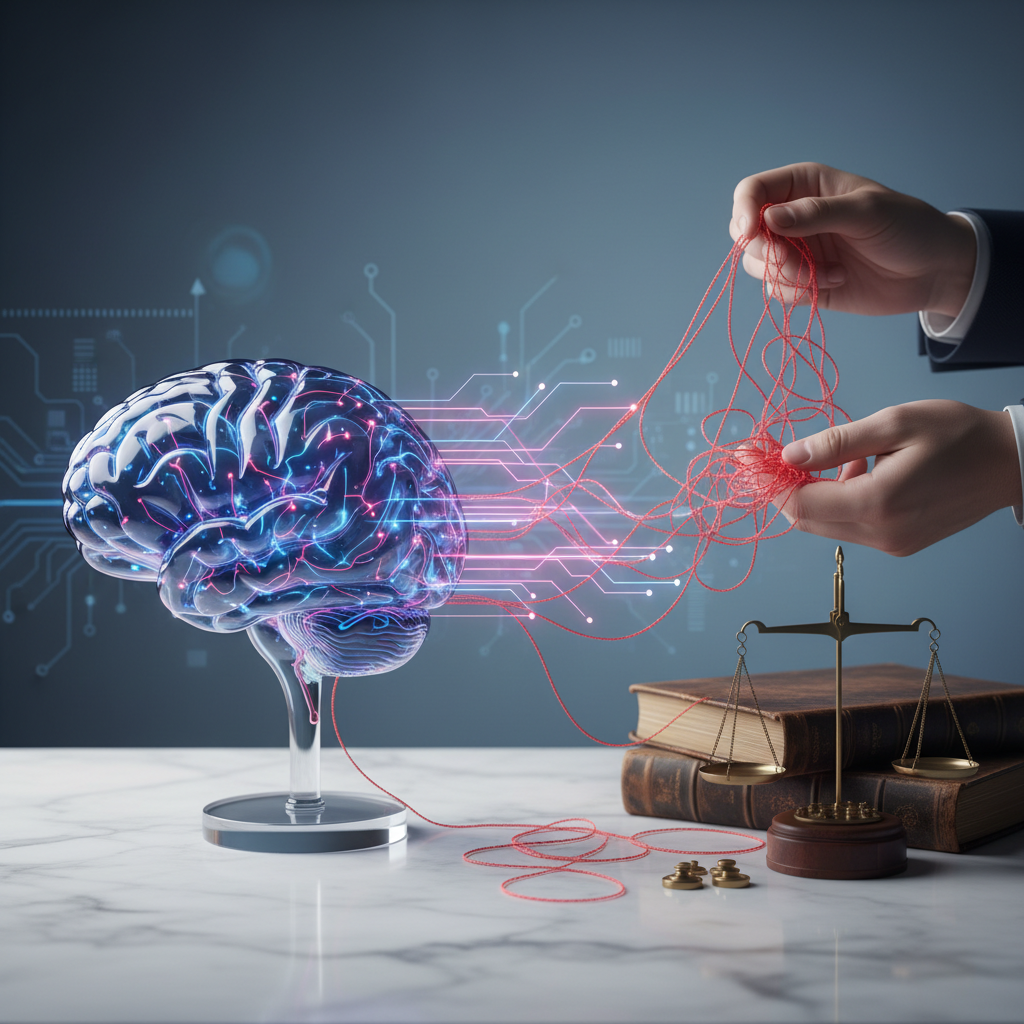
Habits control roughly 40% of daily actions, yet most people rely solely on willpower to change them, setting themselves up for inevitable failure. Modern neuroscience reveals that habit formation operates through automatic brain circuits that bypass conscious decision-making entirely. Understanding these neural pathways explains why white-knuckling through behavior change rarely produces lasting results and offers a clearer roadmap for sustainable transformation.
How Do Neural Pathways Create Automatic Behaviors?
The brain's basal ganglia region houses the neural machinery responsible for habit formation, operating like an efficient autopilot system. When behaviors repeat consistently, neurons create stronger connections that eventually bypass the prefrontal cortex where conscious decisions occur. This neurological shortcut allows the brain to conserve mental energy for novel situations while executing familiar routines automatically. Companies like Starbucks capitalize on this process by creating consistent environmental cues that trigger purchasing habits without customers consciously deciding to buy their morning coffee. These neural pathways become so entrenched that attempting to override them with willpower alone creates internal conflict between automatic systems and conscious intention.
What Makes Willpower an Unreliable Change Strategy?
Willpower functions like a muscle that fatigues with overuse, making it fundamentally unsuited for sustained behavior change. Research demonstrates that willpower depletes throughout the day as people make decisions, resist temptations, and manage competing priorities. The prefrontal cortex, which governs self-control, requires significant glucose to function effectively and becomes less reliable under stress, fatigue, or emotional pressure. This explains why people often maintain healthy eating during busy workdays but struggle with late-night snacking when mental resources are depleted. Successful behavior change requires strategies that work with the brain's natural tendencies rather than against them, creating systems that reduce the need for constant conscious effort.
Why Do Environmental Cues Control Behavior More Than Intentions?
The human brain evolved to respond automatically to environmental signals, making context more powerful than conscious intention in determining behavior. Cues in the physical environment trigger established neural pathways before conscious awareness even occurs, which explains why people automatically reach for their phones when hearing notification sounds. Environmental design plays a crucial role in habit formation, as demonstrated by successful programs like those at the Mayo Clinic, which redesign physical spaces to promote healthier choices. Changing contexts proves more effective than changing mindsets because it works with existing neural architecture rather than fighting against it. People who successfully maintain new behaviors typically modify their environments to make desired actions easier and undesired actions more difficult.
How Does the Habit Loop Actually Function in Daily Life?
Every habit operates through a three-part neurological loop consisting of a cue, routine, and reward that becomes increasingly automatic with repetition. The cue triggers the brain to enter autopilot mode, the routine represents the physical or mental behavior, and the reward helps the brain determine whether the loop is worth remembering for future use. Apps like Headspace leverage this loop by sending consistent notification cues, providing guided meditation routines, and delivering completion rewards that reinforce the behavior. Understanding this loop allows people to identify which specific cues trigger unwanted behaviors and which rewards actually drive the repetition. Successful habit change often involves keeping the same cue and reward while modifying only the routine portion of the loop.
What Role Does Dopamine Play in Habit Formation?
Dopamine functions not as a pleasure chemical but as a prediction and motivation signal that drives habit formation through anticipation rather than satisfaction. The brain releases dopamine in response to cues that predict upcoming rewards, creating craving states that motivate behavior execution. This neurochemical process explains why people feel compelled to check social media when they see notification badges, even when the actual content often proves disappointing. Casinos and gaming companies exploit this dopamine response by providing unpredictable reward schedules that maintain high levels of anticipation and engagement. Sustainable behavior change requires understanding how to create appropriate dopamine responses around desired behaviors while reducing them around habits that no longer serve long-term goals.
How Can You Design Systems That Override Default Neural Patterns?
Successful habit change requires designing environmental and procedural systems that make desired behaviors the path of least resistance. Start by identifying specific cues that currently trigger unwanted behaviors, then systematically modify your environment to reduce exposure to these triggers while introducing new cues for desired actions. Create implementation intentions that specify exactly when, where, and how you'll execute new behaviors, reducing the decision-making burden on your prefrontal cortex. Stack new habits onto existing strong behaviors to leverage established neural pathways, such as doing pushups immediately after brushing teeth each morning. Focus on making tiny changes initially, as small behavioral shifts create neural pathway changes without overwhelming your brain's resistance to change. Track completion rather than outcomes to maintain motivation through the inevitable fluctuations in results that occur during habit formation.
The neuroscience of habit formation reveals that lasting behavior change requires strategic environmental design and systematic approach rather than heroic displays of willpower. Neural pathways operate automatically below conscious awareness, making environmental cues and procedural systems more influential than good intentions or strong motivation. Understanding these brain mechanisms provides a foundation for creating sustainable changes that work with natural neural tendencies rather than fighting against them.