How Progressive Muscle Relaxation Techniques Reset Your Nervous System After High-Stress Days
Emily Rodriguez
03/04/2026
4 min read
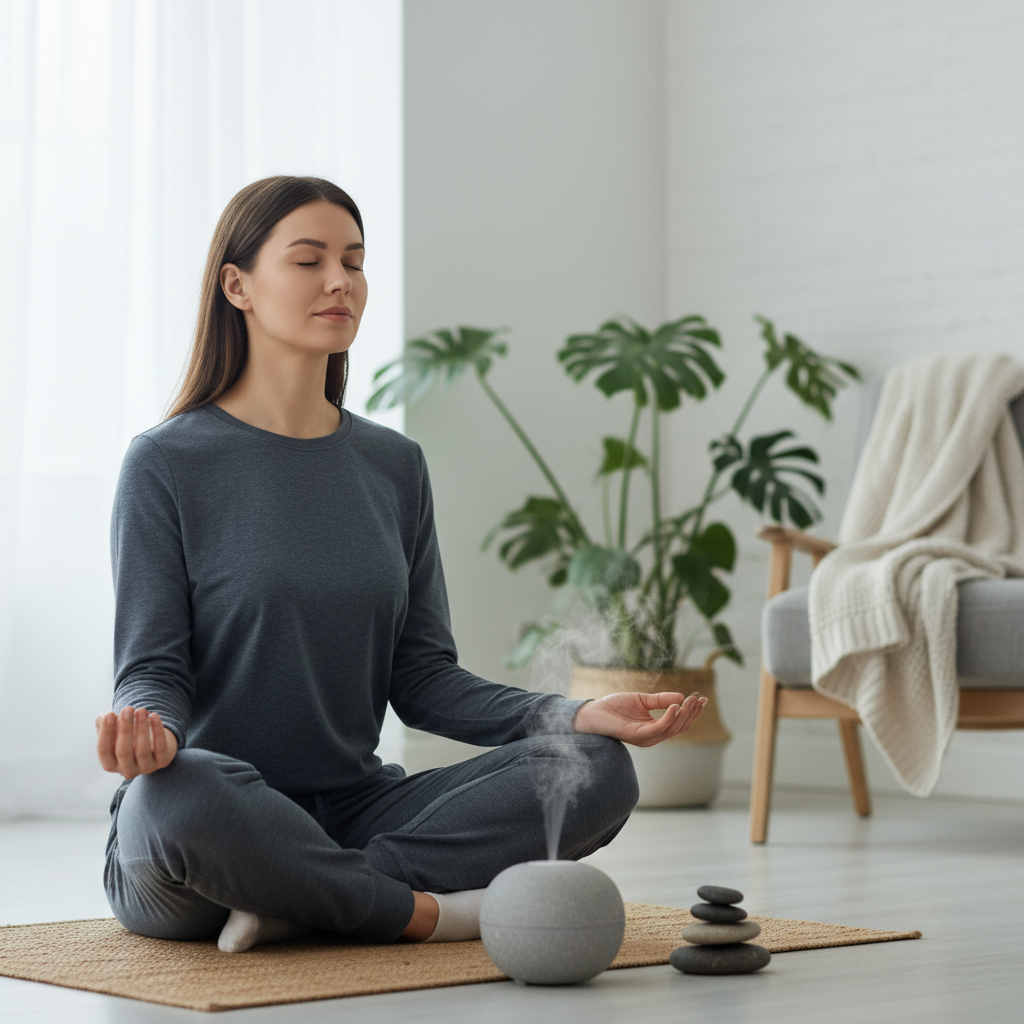
Your body holds onto stress long after the workday ends. Even when you've left the office or closed your laptop, your muscles remain tense, your breathing stays shallow, and your nervous system continues operating in high-alert mode. This physical residue from demanding days creates a cycle where true relaxation becomes increasingly difficult to achieve.
Progressive muscle relaxation offers a methodical approach to breaking this cycle. Unlike passive relaxation techniques, this practice actively engages your body's natural tension-release mechanisms, training your nervous system to shift from stress response to recovery mode. The technique works by systematically tensing and releasing muscle groups throughout your body, creating a clear contrast between tension and relaxation that your nervous system can recognize and replicate.
Start With Your Foundation Muscles First
Begin progressive muscle relaxation with your feet and legs, as these foundation muscles often hold the most accumulated tension from daily activities. Sit comfortably or lie down, then slowly tense your foot muscles by curling your toes and flexing your feet for five seconds. Release completely and notice the immediate contrast between tension and relaxation. Move up to your calf muscles, then your thighs, spending 10-15 seconds focusing on the sensation of release after each contraction. This bottom-up approach helps establish a solid base of relaxation before addressing upper body tension.
Focus on Your Breath Between Muscle Groups
The transition time between muscle groups provides crucial opportunities for your nervous system to register the relaxation response. Take three deep breaths between each muscle group, allowing your exhale to be longer than your inhale. This breathing pattern activates your parasympathetic nervous system, which governs your body's rest-and-digest functions. Apps like Headspace and Calm offer guided progressive muscle relaxation sessions that include optimal timing for these breathing intervals, helping you establish a sustainable rhythm.
Address Your Shoulders and Neck Systematically
Your shoulder and neck region typically accumulates the most stress-related tension throughout busy days. For your shoulders, lift them toward your ears and hold for five seconds, then let them drop completely. Feel the weight of your arms pulling your shoulders down and back into their natural position. For neck tension, gently tense by pressing your head back against your pillow or chair, hold briefly, then release. Many people discover they've been unconsciously hunching their shoulders or clenching their jaw muscles for hours without realizing it.
Include Often-Forgotten Facial Muscles
Facial tension significantly impacts your overall stress levels, yet these muscles rarely receive attention during relaxation efforts. Scrunch your forehead muscles by raising your eyebrows high, hold for five seconds, then smooth your forehead completely. Close your eyes tightly, then open them and let your eyelids rest naturally. Clench your jaw muscles briefly, then let your mouth fall slightly open with your tongue resting comfortably. These facial releases often produce immediate feelings of relief and can help reduce stress-related headaches.
Practice the Full-Body Tension Release
Once you've worked through individual muscle groups, engage your entire body in one comprehensive tension-and-release cycle. Tense every muscle from your toes to your forehead simultaneously, hold for 10 seconds, then release everything at once. This full-body approach helps integrate the relaxation response throughout your nervous system. Many practitioners find this final step produces the deepest sense of physical calm and mental clarity. The contrast between total tension and complete release sends a clear signal to your nervous system that it's safe to enter recovery mode.
Time Your Sessions for Maximum Effectiveness
Progressive muscle relaxation works most effectively when practiced at consistent times that align with your body's natural rhythms. Late afternoon sessions, around 4-6 PM, help counteract the day's accumulated stress before evening activities. Pre-bedtime sessions, practiced 30-60 minutes before sleep, help your nervous system transition into rest mode more efficiently. Consistency matters more than duration – a focused 10-minute session practiced daily produces better long-term benefits than sporadic longer sessions.
Create Your Optimal Environment
Your relaxation environment significantly influences the technique's effectiveness on your nervous system. Choose a quiet space where you won't be interrupted, dim the lights or use blackout curtains, and maintain a comfortable room temperature. Some people benefit from soft background sounds like nature recordings or white noise, while others prefer complete silence. Remove or silence electronic devices to prevent interruptions that can jar your nervous system back into alert mode. Consider using the same location consistently to create positive associations that help your body anticipate and prepare for relaxation.
Track Your Progress and Adjust Accordingly
Monitoring your body's response to progressive muscle relaxation helps you refine the technique for maximum nervous system benefits. Notice which muscle groups hold the most tension and may need extra attention during your sessions. Keep track of how quickly you're able to achieve the relaxation response – most people find their nervous system becomes more responsive to the technique within 2-3 weeks of consistent practice. Some practitioners use heart rate variability apps like HeartMath to measure their nervous system's response and track improvement over time.
Progressive muscle relaxation provides a practical bridge between your high-stress days and genuine recovery. As you develop familiarity with the technique, you'll find your nervous system becomes increasingly responsive to these deliberate relaxation cues. Start with just one 10-minute session this week and notice how your body begins to remember what true relaxation feels like.