Why Meal Prep Fails and Batch Cooking Succeeds for Sustainable Healthy Eating
Amanda Foster
02/20/2026
3 min read
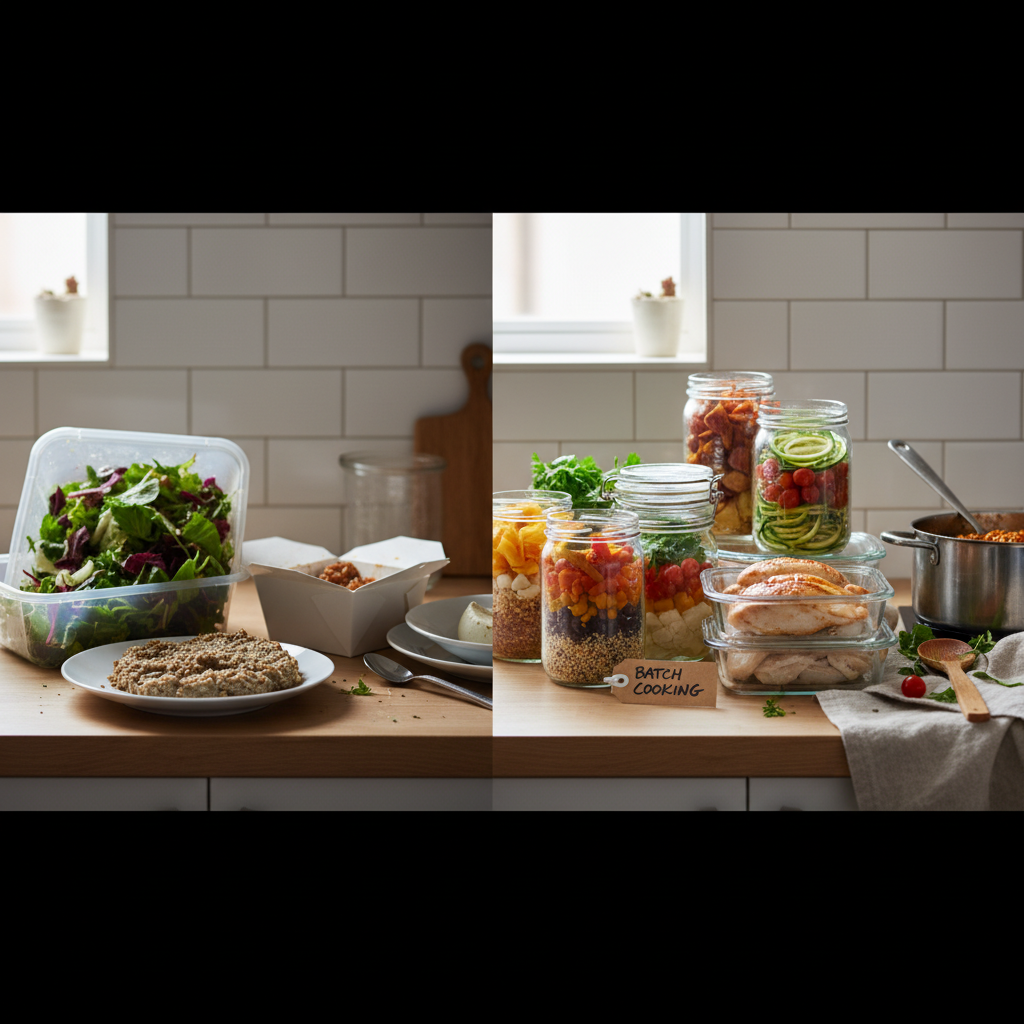
Sunday meal prep has become the holy grail of healthy eating, yet most people abandon their carefully portioned containers within weeks. The rigid approach of preparing identical meals for an entire week often leads to food fatigue, wasted ingredients, and eventually giving up on home cooking altogether. Batch cooking offers a more flexible alternative that works with human psychology rather than against it.
What Makes Traditional Meal Prep So Difficult to Maintain?
Traditional meal prep requires eating the same breakfast, lunch, and dinner for five consecutive days. This approach ignores natural cravings and the desire for variety that keeps meals interesting. The process also demands significant time investment on weekends, creating pressure to get everything perfect in one marathon cooking session. When life gets busy or plans change, the entire system falls apart. Many people find themselves staring at wilted salads by Thursday, questioning why they bothered spending their Sunday afternoon chopping vegetables.
How Does Batch Cooking Address These Common Problems?
Batch cooking focuses on preparing versatile components rather than complete meals. Instead of making twenty identical grain bowls, this approach involves cooking large quantities of proteins, grains, and roasted vegetables that can be mixed and matched throughout the week. A batch of seasoned chicken thighs can become tacos on Monday, a grain bowl on Wednesday, and soup on Friday. This flexibility prevents food boredom while still providing the convenience of having ingredients ready to go.
Why Do Our Brains Respond Better to Component-Based Cooking?
The human brain craves novelty, especially when it comes to food. Research in behavioral psychology shows that variety increases meal satisfaction and reduces the likelihood of abandoning healthy eating plans. When people have multiple components to choose from, they feel more in control of their food choices rather than locked into predetermined meals. This sense of autonomy makes the healthy eating process feel less restrictive. Apps like Mealime and PlateJoy have recognized this principle, offering flexible meal planning that emphasizes ingredient overlap rather than rigid meal schedules.
What Are the Most Effective Batch Cooking Strategies?
Successful batch cooking starts with choosing recipes that improve with time or maintain quality when stored. Slow-cooked proteins like pulled pork or braised beef actually develop better flavors after a day or two in the refrigerator. Grains like quinoa and brown rice reheat well and provide neutral bases for various flavor profiles. Roasted vegetables can be prepared in large quantities and added to different dishes throughout the week. The key is selecting items that serve multiple purposes rather than single-use preparations.
How Should You Structure Your Batch Cooking Sessions?
Start your batch cooking sessions by preparing items with the longest cooking times first. Put a pot of grains on the stove, then move to proteins that need oven time. While those cook, chop vegetables for roasting and prepare any sauces or dressings. This sequential approach maximizes efficiency without overwhelming your kitchen space. Companies like Pyrex and Rubbermaid offer container sets specifically designed for storing batch-cooked components, making organization easier. Focus on preparing three to four versatile components rather than trying to cook everything at once.
Which Components Provide the Most Meal Flexibility?
Invest your time in proteins that work across cuisines, such as seasoned ground turkey, roasted chicken thighs, or baked tofu. These can shift from Mediterranean to Mexican to Asian flavors depending on the accompanying ingredients. Prepare grains in large quantities since they store well and provide filling bases for various meals. Keep several types of prepared vegetables on hand, from roasted root vegetables to fresh chopped items for salads. Having pre-made sauces like pesto, tahini dressing, or salsa verde transforms simple components into restaurant-quality meals.
Batch cooking succeeds where traditional meal prep fails because it respects both the practical realities of busy schedules and the psychological need for variety. By preparing flexible components instead of rigid complete meals, this approach creates a foundation for sustainable healthy eating that adapts to changing preferences and circumstances throughout the week.